



Update cookies preferences
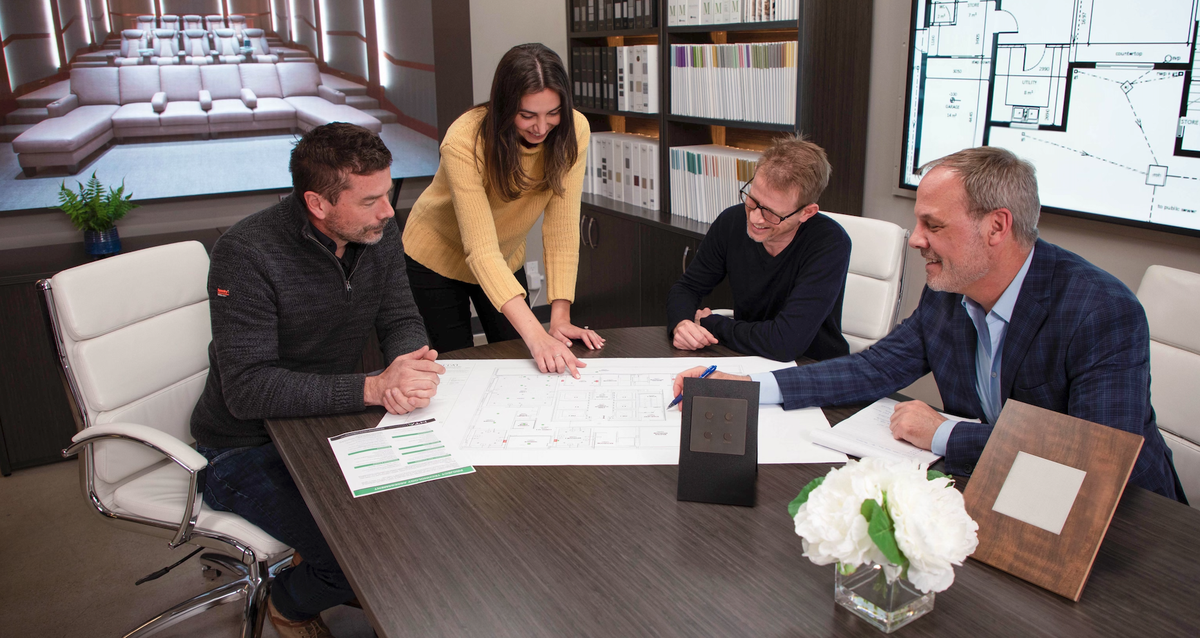
Architect, interior designer, builder and home technology integrator collaborating on a residential project with the HTA Project Technology Assessment on the table

Free Project Planning Resource

Project Technology Assessment

A simple way for architects, interior designers, builders and remodelers to address home technology early, while the project still has flexibility.

Home technology affects much more than equipment selection. It can influence architecture, interiors, electrical, HVAC, framing, millwork, lighting, shading, acoustics, equipment space and other project decisions.

The Home Technology Association's free Project Technology Assessment form helps you identify your client's technology priorities early. A qualified home technology integrator can then develop the design, documentation, and requirements needed for coordination with the rest of the project team.

Preview of the one-page HTA Project Technology Assessment

One Page. One Important Conversation.

Help clients understand technology options before important project decisions are locked in.

The PTA is intentionally simple. Review the checklist with your client to uncover the technology systems, experiences, and infrastructure that may matter to them.

You do not need to become a technology expert. The goal is to identify what may be important early, then bring in a qualified technology integrator to provide consultation, design and project-specific recommendations.

Download the Fillable PDF

One Tool. Different Project Responsibilities.

Why early technology planning matters to the entire design and build team

Architects, interior designers, and builders have different responsibilities, but technology decisions cross all of them. The PTA creates a simple starting point for addressing those decisions before they become expensive constraints.

For Architects & Interior Designers

Protect the design by planning technology during Schematic Design

Technology decisions affect visible elements, equipment locations, lighting and shading, home controls, ceiling layouts, displays, specialty rooms, cabinetry, acoustics, and infrastructure.

Engaging a qualified technology integrator during Schematic Design gives the project team time to coordinate these requirements before architectural and interior decisions become difficult or expensive to change.

  • Protect architectural and interior design intent
  • Coordinate visible technology with finishes and furnishings
  • Plan equipment rooms and technology-related spaces
  • Identify power, ventilation, and infrastructure requirements
  • Reduce redesign and late aesthetic compromises
  • Guide clients without requiring the architect or designer to become a technology expert
Recommended timing: During Schematic Design, before Design Development and Construction Documents are substantially complete.


For Builders & Remodelers

Clarify technology requirements before affected trades bid the work

Technology systems can create requirements for framing, electrical, HVAC, equipment space, conduit, wiring, millwork and other trades.

A qualified home technology integrator can identify these requirements early and create technical documentation the construction team can use for coordination and bidding.

  • Reduce scope gaps between trades
  • Improve electrical, HVAC, and framing bid accuracy
  • Identify infrastructure requirements before construction
  • Reduce late change orders and schedule disruption
  • Establish more realistic client expectations
  • Create a clearer technology scope before work begins
Recommended timing: Before framing, electrical and HVAC bids are finalized.

How to Use the PTA

A simple three-step process

The Project Technology Assessment is not intended to replace professional technology design. It helps the project team start the right conversation early enough to act.

1

Review the PTA with your client

Identify the home technology categories that may matter to the homeowner, including infrastructure, security, entertainment, lighting, shading, networking, wellness, and more.

2

Bring in a qualified technology integrator

Share the completed assessment with an HTA Certified integrator for consultation, design, and a project-specific proposal.

3

Coordinate the technology design

The integrator can develop documentation and requirements needed to coordinate technology with architecture, interiors and affected trades.

Technology Categories

What the Project Technology Assessment covers

The PTA helps clients consider technology needs across the major systems and experiences that can affect the design, construction, and everyday use of the home.

Infrastructure & Technology Foundation

Prewire, energy management, backup power and whole-house surge protection.

Communications

Network, Wi-Fi, phone and intercom systems.

Security & Safety

Alarm, fire detection, surveillance, cybersecurity, access control and safety lighting.

Entertainment

TVs, outdoor entertainment, home theater, media rooms, music, sports simulators, and gaming.

Convenience & Control

Temperature, lighting, motorized shading, audio/video systems, pool and spa, garage doors, gates, and voice control.

Environment

Hidden technology, design-enhanced controls, digital art, wellness, acoustic comfort and sound isolation.

Want a room-by-room planning worksheet too?

Download the expanded two-page version of the PTA, which adds a room-by-room matrix for reviewing technology systems throughout the home.

Download the Two-Page Version

An Important Project Consultant

What does a home technology integrator do?

A qualified home technology integrator provides consultation, design, engineering, documentation, coordination, installation, programming, and ongoing service for the technology systems in a home.

Their work often requires coordination with architects, interior designers, builders, electricians, HVAC contractors, millworkers, lighting designers, and other project professionals.

Bringing the integrator into the project early allows technology requirements to be incorporated into the overall design and construction process instead of being treated as a late stage addition.

Frequently Asked Questions

Project Technology Assessment FAQ

What is the HTA Project Technology Assessment?

The Project Technology Assessment, or PTA, is a free client-facing checklist created by the Home Technology Association. It helps homeowners and project professionals identify technology systems and experiences that may need to be considered during the design and construction process.

When should architects and interior designers use the PTA?

Ideally, architects and interior designers should use the PTA during Schematic Design. This gives the project team time to identify technology requirements while architectural layouts, interiors, equipment spaces, infrastructure and visible details can still be coordinated cleanly.

When should builders and remodelers address home technology?

Technology requirements should be addressed before framing, electrical and HVAC bids are finalized. Early technology design can clarify requirements for affected trades and reduce scope gaps, late change orders, project delays and budget surprises.

Does the PTA replace a technology design or proposal?

No. The PTA identifies the client's interests and creates a starting point for discussion. A qualified home technology integrator should then provide project-specific consultation, design, engineering, documentation and proposal development.

What does a home technology integrator do?

A home technology integrator is a professional firm that can consult, design, engineer, document, coordinate, install, program and service a home's technology systems. Depending on the project, the integrator may coordinate with the architect, interior designer, builder, electrician, HVAC contractor, millworker and other trades.

Why should I use an HTA Certified integrator?

HTA Certification provides independent company-level vetting. HTA Certified integration firms are evaluated for technical proficiency, customer service, aftercare and business reputation, helping homeowners and project professionals make a more informed choice when selecting a technology partner.

Can my architecture, design or building firm put its logo on the PTA?

Yes. HTA can provide a co-branded version of the Project Technology Assessment for qualified architecture, design and building firms that want to use the tool with their clients. Contact HTA to request a co-branded version.

Start the Conversation Early

Give your client a better way to plan home technology.

Use the Project Technology Assessment to identify priorities, then involve a qualified technology integrator while the project team still has the flexibility to make good decisions.

Want your company logo on the PTA?

Architects, interior designers, builders and remodelers may request a co-branded version of the Project Technology Assessment for use with their clients.

Request a Co-Branded PTA
Request a Quote