
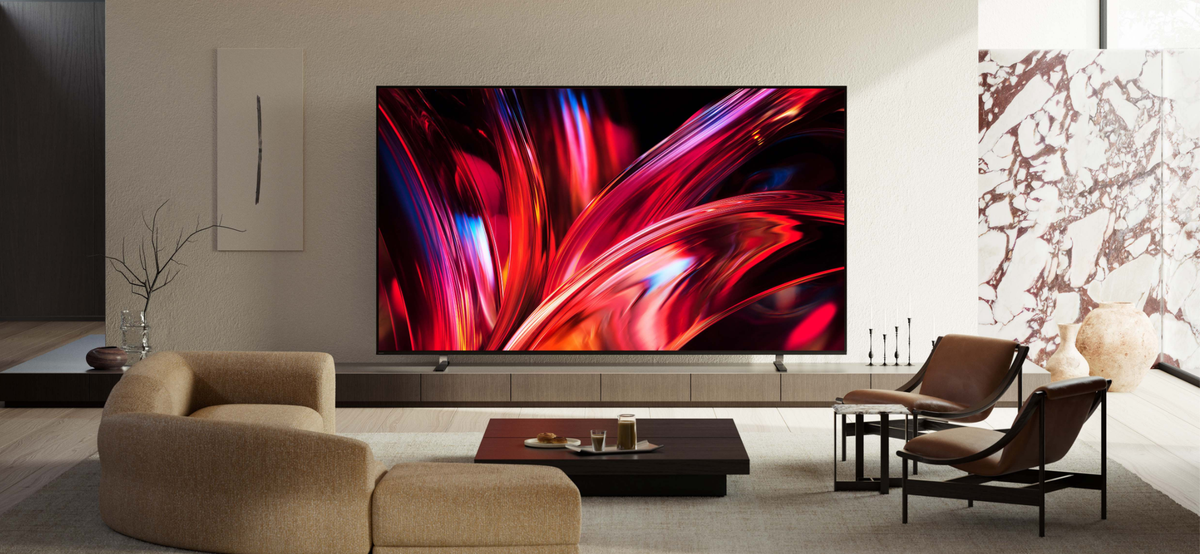

The days of the 19-inch tube TV with rabbit ears are long gone. Today's TV market offers an incredible range of options, and choosing the right one for your home can feel overwhelming. Here's a straightforward guide to help you understand your choices.
The Basics
Every TV on the market today uses LED (Light Emitting Diode) technology in some form. These break down into two main categories:
• LED TVs that use a backlight to illuminate the picture
• OLED TVs where each pixel produces its own light
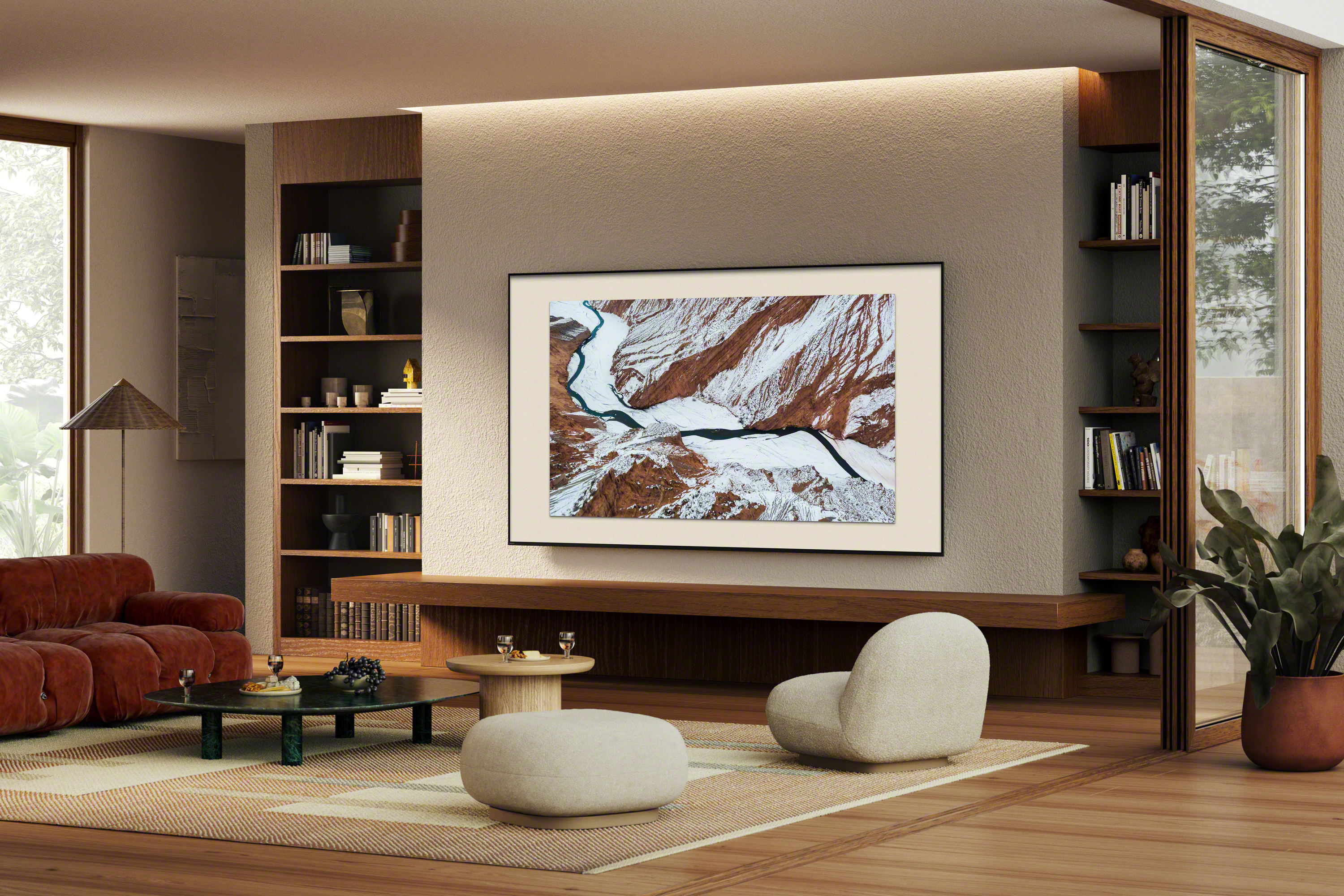 Let's explore each option.
LED TVs: The Cost-Effective Choice
Standard LED TVs pair a Liquid Crystal Display (LCD) panel with a backlight. Entry-level models use edge lighting, with strips of LEDs found on either the side edges or top/bottom edge. This makes for a thin, inexpensive TV but has to compromise in brightness and contrast. Sony and other manufacturers use Direct LED lighting, where the LEDs are placed directly behind the screen, for more consistent brightness and contrast.
• ✅ Affordable and available in many sizes
• ❌ Older technology; contrast fades when viewed from an angle
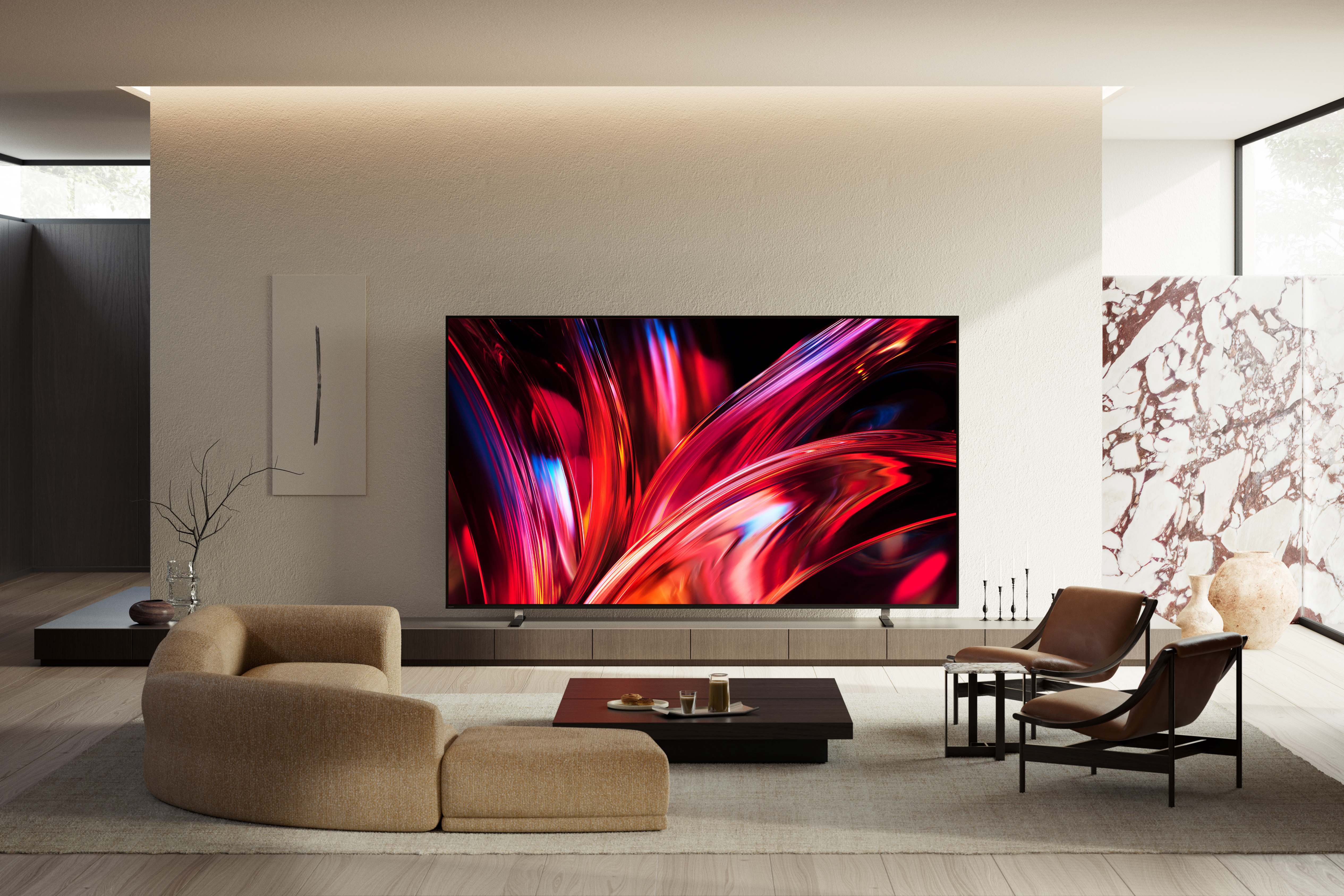 Mini-LED: Brighter and More Precise
Mini-LED TVs use LEDs as small as 1/100th the size of regular LED TVs; with the potential to fit thousands of them behind the screen. These can also be controlled in groups (or ‘zones’) to brighten, dim, or shut down to show deeper blacks, more detailed shadows, and brighter highlights. Mini-LED TVs can also get brighter than conventional LED TVs, making them better suited for brighter rooms.
A word of caution: zone counts alone don't tell the whole story. How those zones are controlled matters more. Sony’s XR Backlight Master Drive uses the same dimming control as their professional studio monitors for a cinematic picture.
• ✅ Bright, punchy image with excellent black levels
• ❌ Some blooming possible; requires strong processing
OLED: Beautiful Blacks, Perfect for Dark Rooms
OLED TVs skip the backlight entirely, allowing each pixel to light itself. This produces stunning deep blacks and excellent viewing angles in an ultra-thin design. However, OLEDs use a white subpixel that can wash out color in bright, high-contrast scenes, and darker images may lack detail.
While historical burn-in concerns have been largely resolved, OLED still isn't ideal for static images like digital artwork. With prices at historic lows, though, it's a fantastic value for light-controlled spaces.
• ✅ Deep blacks, great viewing angles, no blooming
• ❌ Not as bright as Mini-LED; limited sizes
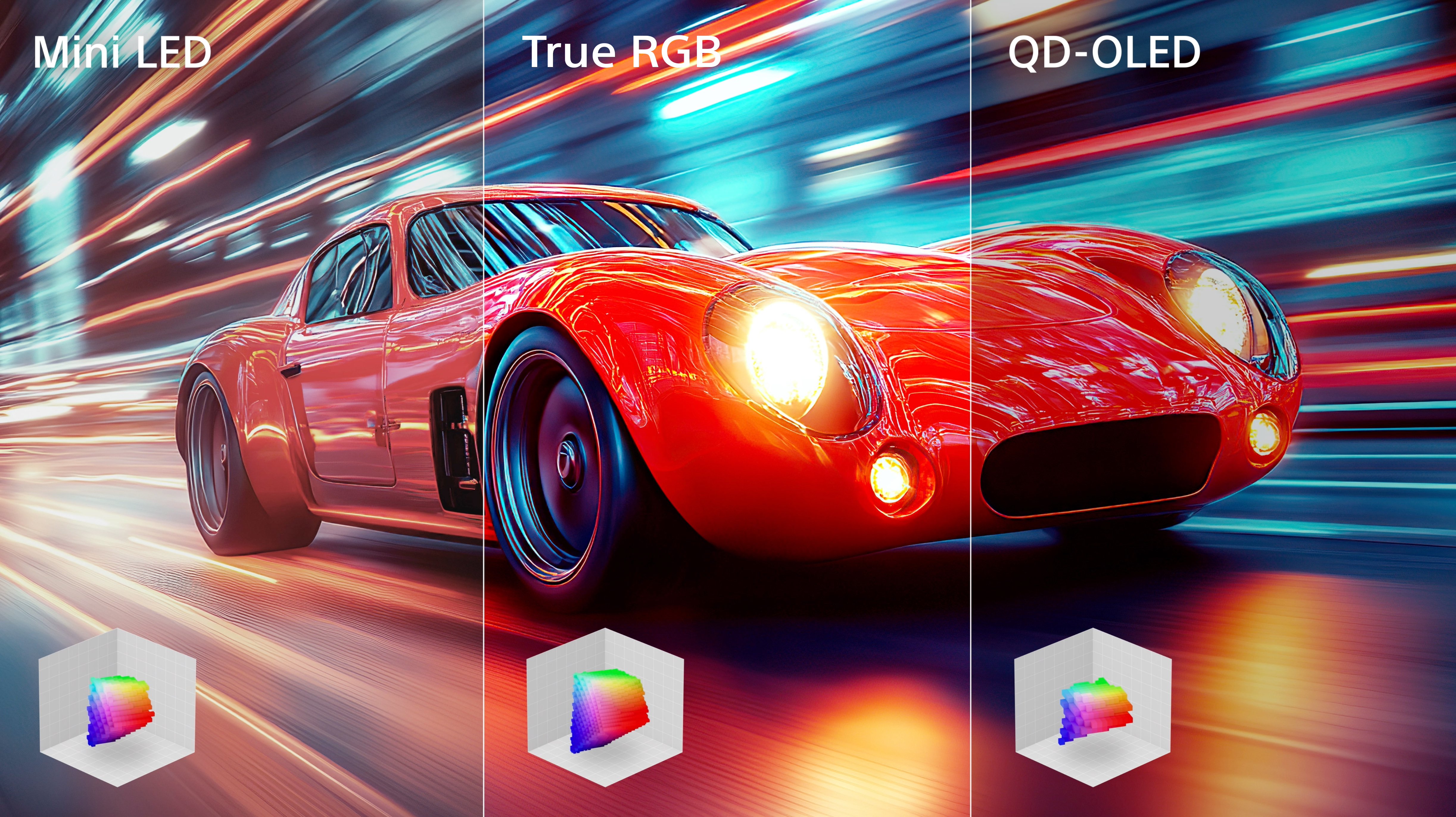
QD-OLED: Premium OLED Evolved
Quantum-Dot OLED eliminates the white subpixel while boosting brightness and color saturation. It's prized for gorgeous blacks and accurate color but still can't match Mini-LED or RGB-LED brightness levels.
• ✅ Excellent blacks, superb color, great viewing angles
• ❌ Best in dark rooms; limited to 77" max; premium price
RGB LED: The Newest Innovation
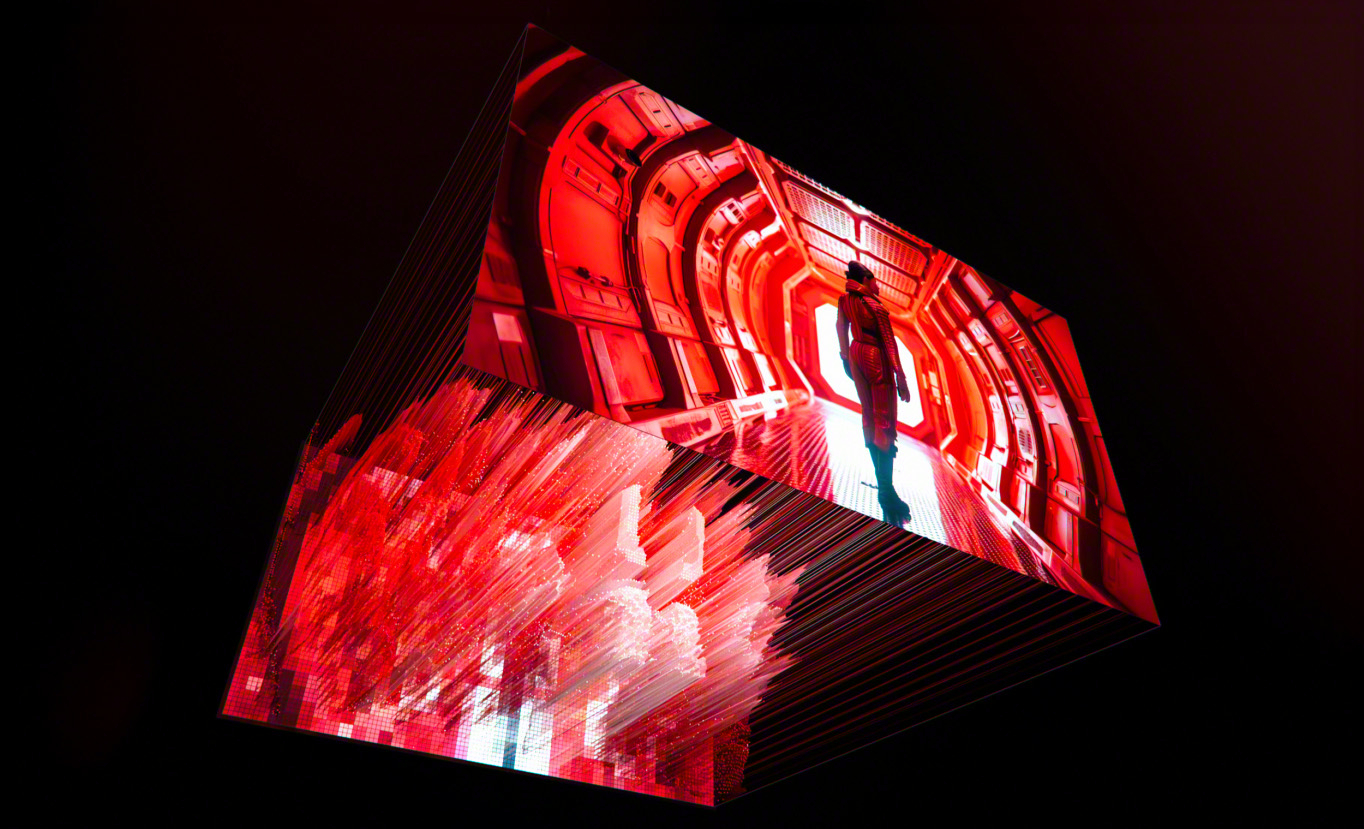
This cutting-edge technology replaces the standard white LED backlight with individual Red, Green, and Blue LEDs. The result? Wider color range, vibrant colors even in bright scenes, minimal blooming, and off-axis viewing that rivals OLED.
This is where Sony truly stands apart. Sony's True RGB TVs features 22-bits of processing per LED, giving precise control of the red, green, and blue backlights, even in the most demanding scenes. Available in sizes now exceeding 100 inches, it delivers the "best of both worlds": OLED-like black levels with exceptional brightness and true-to-life color.
• ✅ Outstanding brightness, black levels, and color accuracy
• ❌ Premium pricing
Which TV Is Right for You?
From a pure performance standpoint, RGB Mini-LED delivers the highest picture quality across the widest range of environments, which is why Sony has invested so heavily in perfecting the technology. QD-OLED remains outstanding for dedicated dark rooms, and there's never been a better time to buy a traditional OLED at an affordable price.
Our best advice: See TVs in person whenever possible and view them in "Standard" or "Cinema" modes rather than the overdriven "Vivid" mode retailers often use. Even better, work with a professional custom integrator who can evaluate your room, your viewing habits, and your goals to recommend the perfect TV for your home.

About SONY
Years in business: 79
Explore our Categories:
- SONY Video Displays
- SONY Home Theater / High-Performance Audio / Whole House Music
- SONY Video Projectors
 Offers CEU Credits
- Specifying Products for Audio & Visual Health in the Built Environment
- Custom Integration of Home Entertainment in the Design Process
Contact Information





You Might Also Like:


