












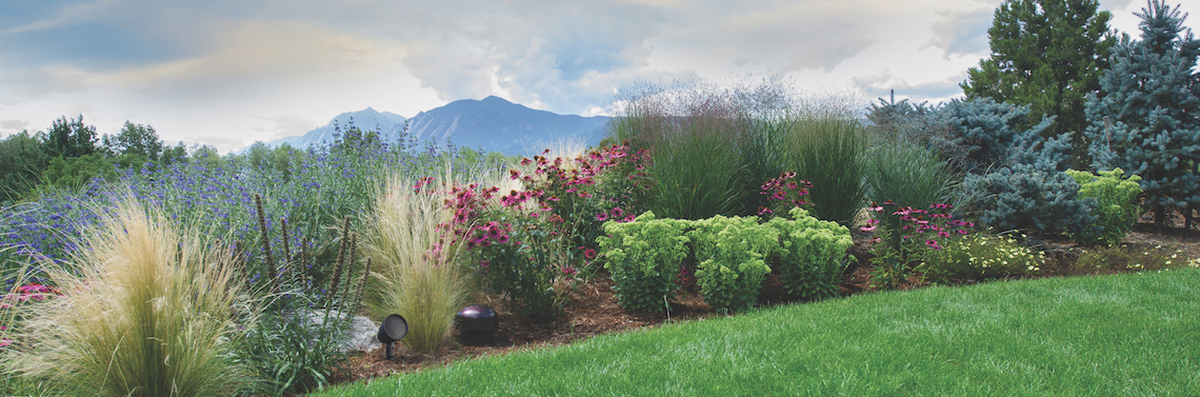






Today's outdoor spaces are no longer limited to a patio, grill, and a few lawn chairs. Homeowners are increasingly transforming backyards into complete outdoor living environments featuring entertainment, lighting, networking, security, and automation. Industry research shows that outdoor technology has become one of the fastest-growing categories in home integration, with homeowners investing in sophisticated outdoor audio systems, weatherproof displays, networking infrastructure, and smart lighting solutions.
Whether you are planning a new luxury home, renovating an existing property, or upgrading your backyard, thoughtful technology planning can dramatically improve comfort, usability, and enjoyment.
Here are seven expert recommendations for creating a better outdoor living experience.
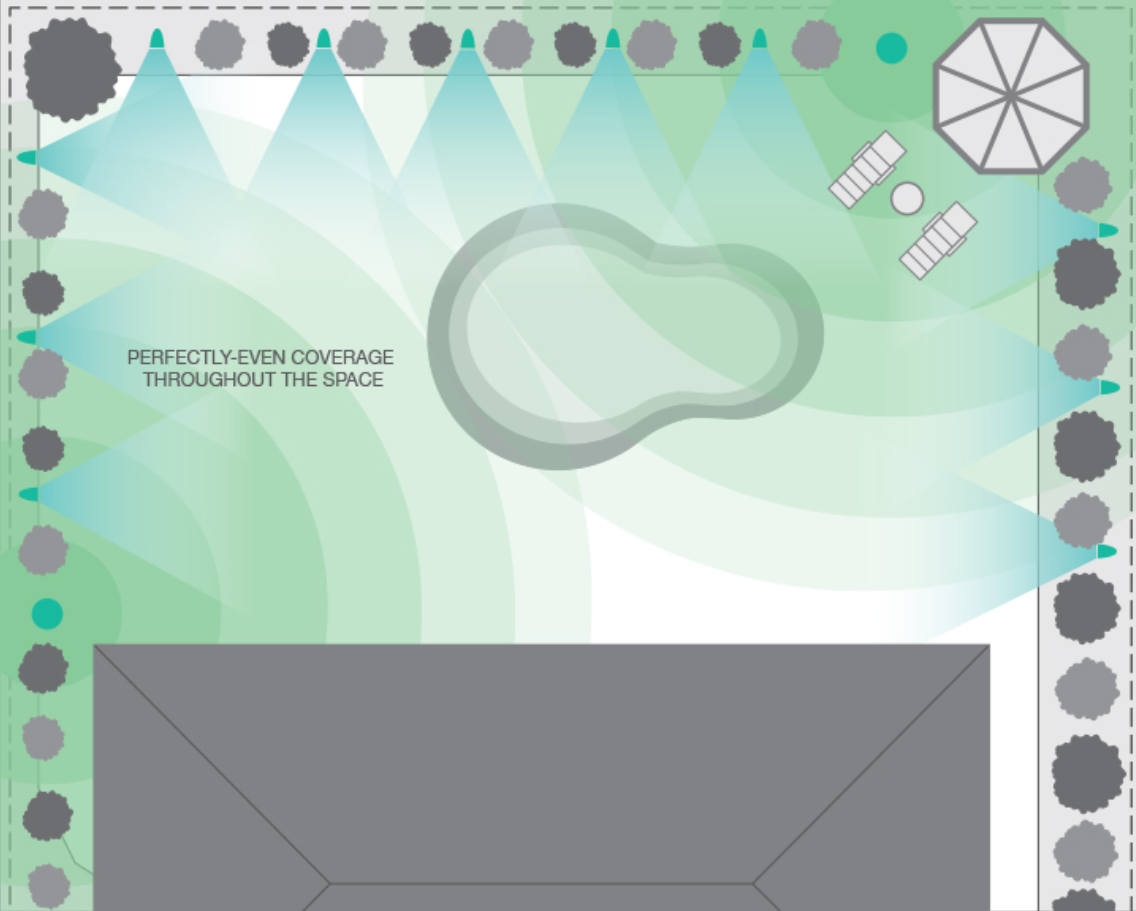 1. Start with a Comprehensive Outdoor Audio System: Audio remains the most requested outdoor technology category for homeowners and one of the most common components included in outdoor projects. Unfortunately, many outdoor spaces rely on a pair of speakers mounted on the back wall of the house. This approach often creates uneven sound coverage, excessive volume near the home, and insufficient volume farther away.
A professionally designed outdoor audio system provides numerous benefits beyond simply making music louder. By distributing sound evenly throughout the yard, it creates a more consistent listening experience regardless of where guests are gathered. Speech becomes clearer and easier to understand, while music sounds more natural, detailed, and immersive. Because the sound is spread across multiple speakers rather than concentrated in one area, listening levels can remain lower, helping reduce sound leakage to neighboring properties. The result is a more enjoyable and comfortable environment for entertaining, relaxing, and hosting larger gatherings.
2. Choose an Outdoor TV Designed for the Environment: One of the most common mistakes homeowners make is installing an indoor television outside. Outdoor environments present unique challenges including moisture, temperature fluctuations, UV exposure, insects, and direct sunlight. Standard televisions are not designed to withstand these conditions.
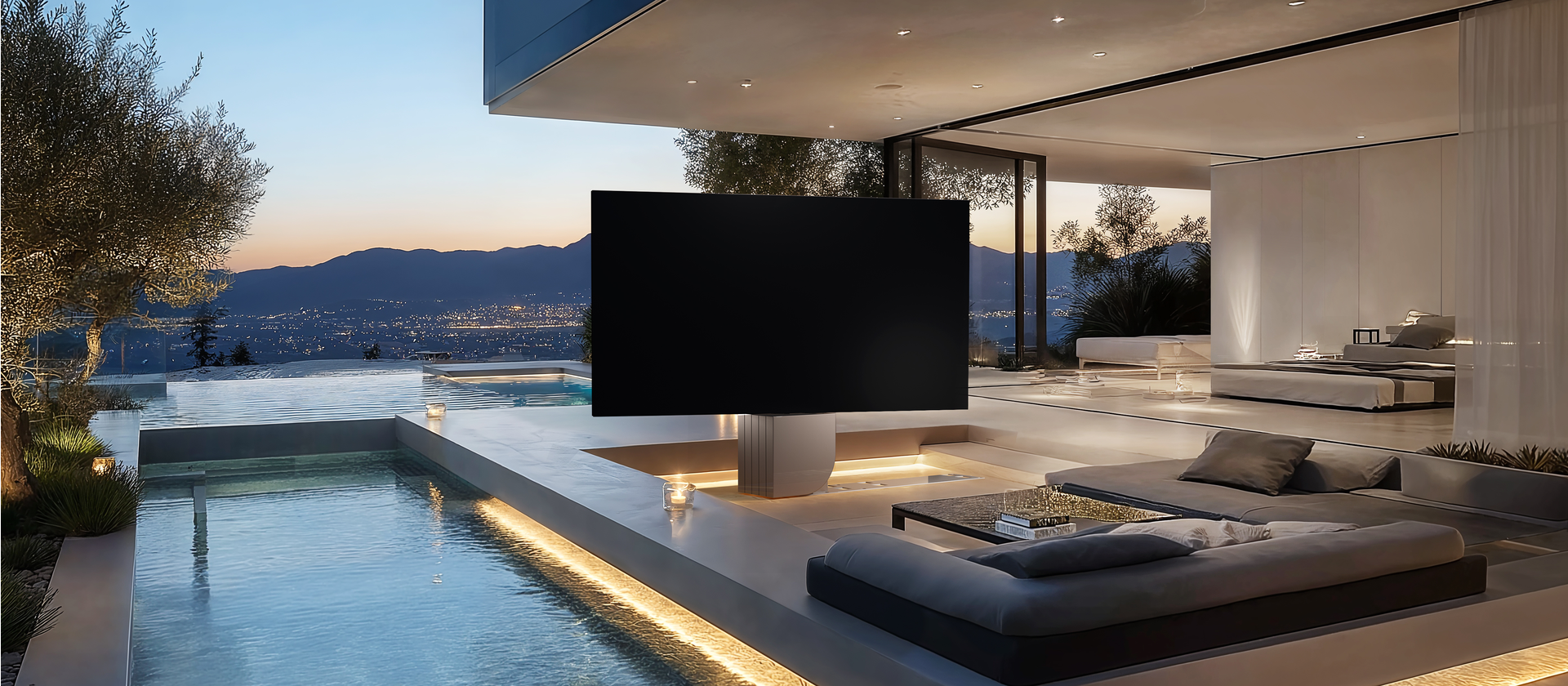
A true outdoor TV is engineered to handle:
- Rain and humidity
- Extreme temperatures
- Direct sunlight
- Dust and debris
- Corrosion
Proper placement is equally important. Screen orientation, viewing angles, sun exposure, and glare control should all be considered before installation. A well-designed outdoor entertainment system combines weather-resistant displays, outdoor audio, and smart control to create a seamless viewing experience.
3. Extend Reliable Wi-Fi Beyond the House: Many outdoor technology problems can be traced back to poor network coverage.
Streaming music, outdoor televisions, surveillance cameras, smart lighting, gate controls, and mobile devices all depend on a reliable network connection.
Rather than relying on a router located inside the home, professionally designed outdoor Wi-Fi systems use strategically placed access points to deliver reliable, high-performance coverage across the entire property. A robust outdoor network improves streaming reliability for music and video, enhances the responsiveness of smart home controls, supports better performance from security cameras, and enables productive outdoor workspaces. It also ensures dependable connectivity around pools, guest houses, and other detached structures. As outdoor living spaces continue to incorporate more technology, a strong networking infrastructure has become the foundation that allows all of these systems to perform seamlessly.
4. Use Smart Lighting to Enhance Beauty and Safety: Outdoor lighting serves multiple purposes. It improves safety, increases security, extends the usability of outdoor spaces after sunset, and highlights architectural and landscape features.
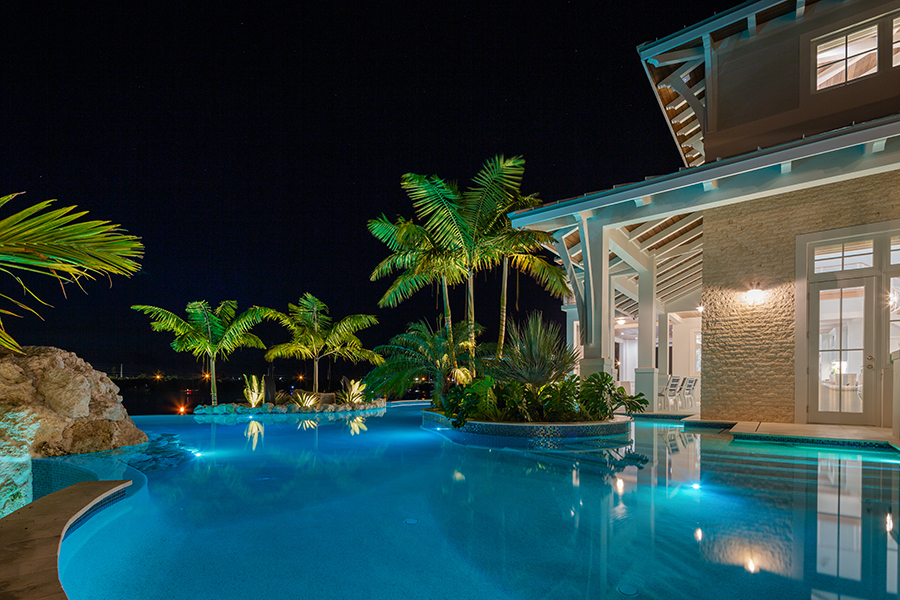 Today's smart outdoor lighting systems can include:
- Pathway lighting
- Landscape lighting
- Tree uplighting
- Architectural accent lighting
- Security lighting
- Stair and deck lighting
Automated scenes allow homeowners to activate pre-programmed lighting environments for entertaining, dining, relaxing, or security with a single command. Well-designed lighting transforms outdoor spaces to someting truly expectional.
5. Integrate Outdoor Security and Surveillance: Outdoor security technology has evolved far beyond basic cameras.
Modern systems can include:
- High-resolution surveillance cameras
- Smart video doorbells
- Gate access control
- Motion detection
- Perimeter monitoring
- Integrated lighting and security scenes
When properly designed, security technology provides peace of mind while maintaining the aesthetics of the property. The best systems are often the ones homeowners rarely notice because they work reliably in the background.
6. Plan Technology During Landscape and Architectural Design: One of the most expensive mistakes in outdoor technology is waiting until construction is complete. Technology should be planned during the design phase alongside architecture, landscaping, pool design, and outdoor structures.
Early technology planning creates opportunities to properly coordinate conduit placement, electrical infrastructure, network cabling, equipment locations, lighting systems, and provisions for future expansion before construction is complete. Taking this proactive approach helps reduce change orders, avoid costly retrofits, and achieve a cleaner, more integrated final installation. The most successful outdoor living projects are the result of collaboration between architects, builders, landscape designers, and technology professionals from the earliest stages of design, ensuring that technology enhances the space without compromising aesthetics or functionality.
7. Design Outdoor Spaces as an Extension of the Home: The biggest trend in outdoor living is simple: homeowners increasingly expect outdoor spaces to deliver the same comfort, convenience, and performance found indoors.
Today's outdoor environments serve many purposes beyond simple recreation. They are increasingly designed as entertainment destinations, family gathering spaces, wellness retreats, dining areas, remote work environments, and social hubs where people spend significant time throughout the year. As these spaces become more sophisticated, technology should quietly enhance the experience rather than draw attention to itself. The most successful outdoor smart home designs integrate audio, video, lighting, networking, and control systems in a way that feels effortless, intuitive, and enjoyable, allowing homeowners and guests to focus on the experience rather than the technology behind it.
Frequently Asked Questions
What is an outdoor entertainment system?
An outdoor entertainment system combines technologies such as outdoor speakers, weatherproof televisions, networking, lighting, and control systems to create a complete outdoor living experience.
Are outdoor TVs worth it?
Yes. Outdoor televisions are specifically designed to withstand weather, temperature changes, humidity, and sunlight exposure that can quickly damage standard indoor TVs.
How do you get Wi-Fi in your backyard?
The most reliable solution is installing outdoor-rated wireless access points connected to the home's network infrastructure. This provides stronger coverage and better performance than simply extending the signal from an indoor router.
How many outdoor speakers do I need?
The answer depends on the size and layout of the property. Most professionally designed systems use multiple speakers distributed throughout the landscape rather than relying on a single pair of speakers.
Should outdoor technology be planned before construction?
Absolutely. Planning during the design phase provides the best results, reduces installation costs, and allows technology to be integrated more cleanly into the architecture and landscape.
Work with an HTA Certified Technology Professional
Creating an exceptional outdoor living environment requires more than selecting products. Outdoor audio, video, networking, lighting, security, and control systems all perform best when designed as part of a coordinated plan.
HTA Certified technology professionals are experienced in designing and implementing outdoor smart home systems that enhance both performance and aesthetics. Whether you are building a new home or upgrading an existing property, working with a qualified professional helps ensure a reliable and enjoyable outdoor technology experience for years to come.
You Might Also Like:


Additional Resources On This Topic: