















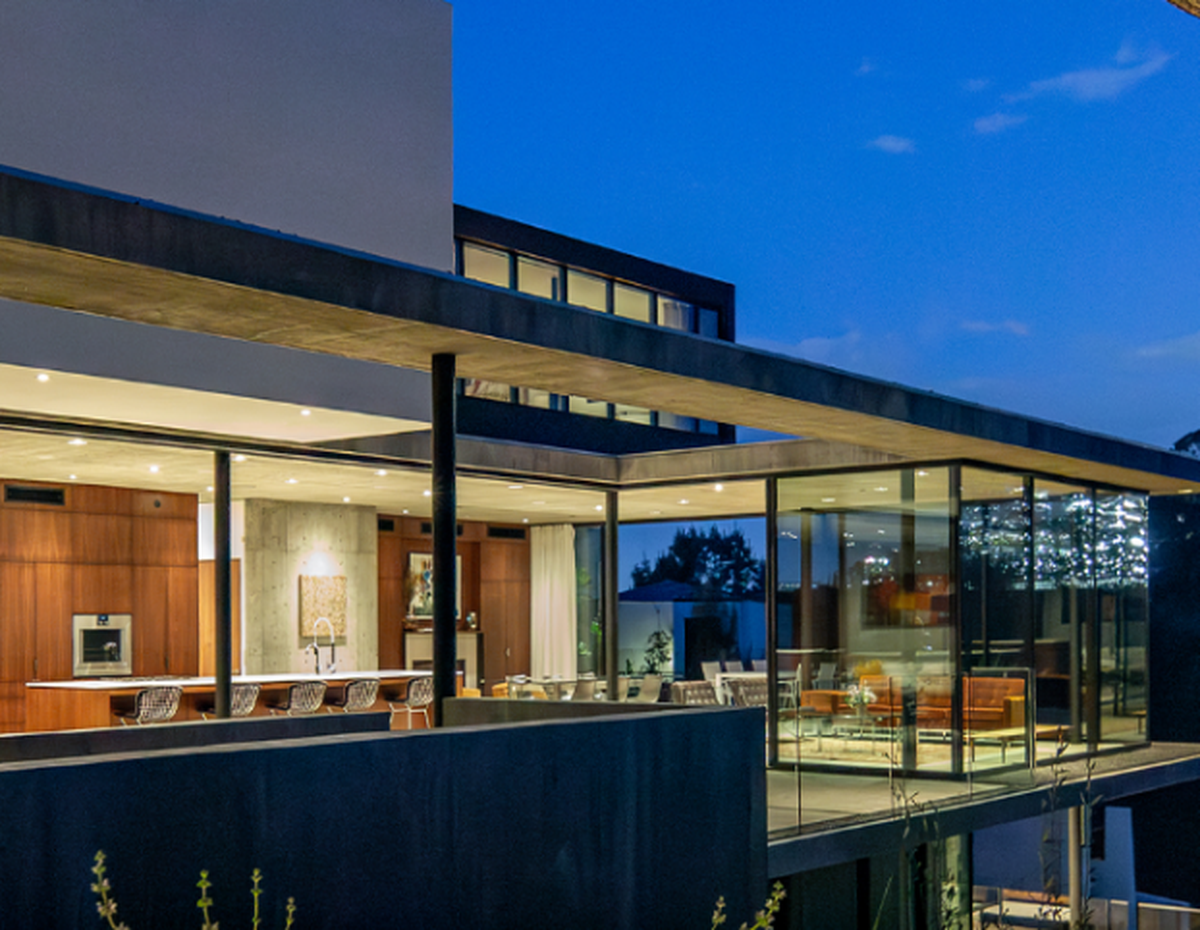





How professional system design is redefining performance, control, and longevity
Not long ago, homeowners relied on the stereotypical “AV Guy” to install a television or surround sound system. But as home technology has evolved, so has the role of the professional behind it.
Today’s experts are no longer limited to audio and video. They are custom integrators, also known as home technology integrators—professionals who design, integrate, and maintain multiple connected systems that work together as a single, cohesive environment.
These systems commonly include:
• Audio and video
• Lighting and lighting control
• Motorized shading
• Security and video surveillance
• Enterprise-grade home networking
• Energy management and automation
Rather than treating each system independently, custom integrators design them to operate in harmony—while keeping control simple and intuitive for the homeowner.
Why LED Lighting Is a Major Trend in Home Technology
One of the fastest-growing areas of custom integration today is LED lighting. For architects, interior designers, and builders, it is no longer best practice to specify basic, contractor-grade lighting fixtures and leave performance to chance. Modern LED lighting systems offer far more capability when they are professionally designed and integrated.
Homeowners increasingly trust custom integrators for lighting projects because these professionals understand how lighting interacts with control systems, shading, architecture, and daily living patterns. At the same time, lighting manufacturers rely on integrators to deploy their products thoughtfully, creatively, and reliably.
This combination of trust, technical expertise, and system-level thinking has made integrators central to the evolution of residential LED lighting.
Here are some important reasons why homeowners and architects, interior designers, and builders should turn to HTA Certified custom integrators to deliver their lighting fixture needs.
How LED Fixtures Changed Lighting Design and Integration
LED lighting introduced more than energy efficiency; it fundamentally changed how lighting systems are designed and installed.
Modern LED fixtures now support:
• Smooth, deep dimming
• Tunable white light
• Color temperature adjustment
• Advanced control and automation
These capabilities require careful specification and system compatibility. Without professional design, LED lighting systems may suffer from flicker, inconsistent dimming, poor color rendering, or shortened lifespan.
Custom integrators are uniquely equipped to design LED lighting systems that avoid these problems. They select fixtures that work reliably with lighting control platforms and smart home systems, ensuring consistent performance and a high-quality visual experience.
By managing both fixture selection and control integration, integrators deliver lighting solutions that are easy to use, visually pleasing, and scalable over time.
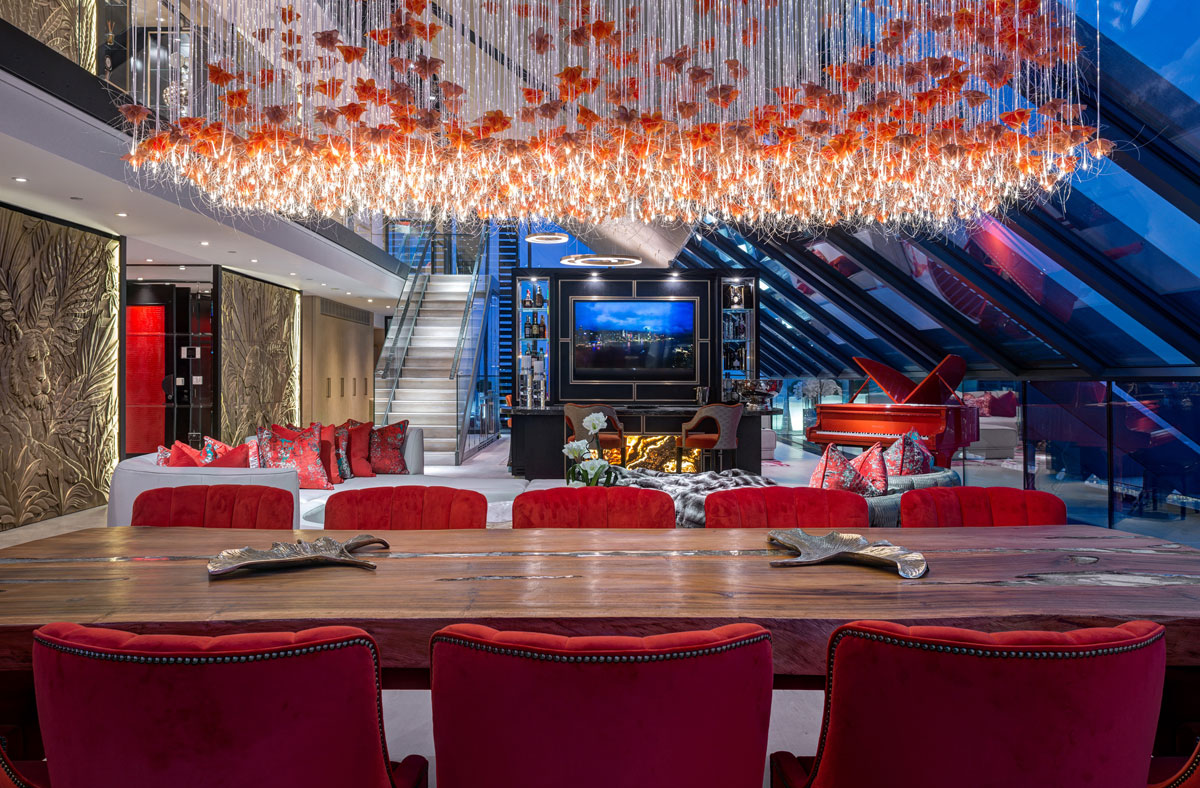
Why Integrators Deliver Better Lighting Outcomes Than Electricians Alone
Electricians play a critical role in safe installation and code compliance. However, advanced LED lighting systems require more than wiring and fixture mounting.
Custom integrators focus on:
• System compatibility between fixtures, drivers, and controls
• Programming lighting scenes and schedules
• Coordinating lighting with motorized shades and natural light
• Long-term service, maintenance, and system updates
Because they design lighting as part of a broader home technology ecosystem, integrators can create lighting experiences that adapt automatically to time of day, activity, and occupancy—without requiring constant manual adjustment by the homeowner.
Lighting Design Is a Collaborative Effort
High-performing LED lighting systems are rarely the result of one professional working alone. Custom integrators regularly collaborate with:
• Lighting designers
• Interior designers
• Architects
These partnerships allow lighting to be designed in layers—task, ambient, and accent lighting—each tuned for brightness, color temperature, and purpose.
For example, a kitchen may include:
• Bright, cooler lighting for food preparation
• Warmer, softer lighting for dining
• Subtle accent lighting under cabinets or along architectural features
Living spaces may incorporate accent lighting to highlight artwork, architectural ceilings, or textures. Integrators ensure these layered designs are implemented precisely and controlled seamlessly through the home’s automation system.
Circadian and Outdoor Lighting Expand LED Possibilities
Advanced LED lighting also enables circadian lighting, which adjusts brightness and color temperature throughout the day to align with natural daylight cycles. These systems support wellness, comfort, and a healthier indoor environment.
Custom integrators program circadian lighting routines so changes happen automatically—without homeowner intervention—creating a more natural and comfortable living experience.
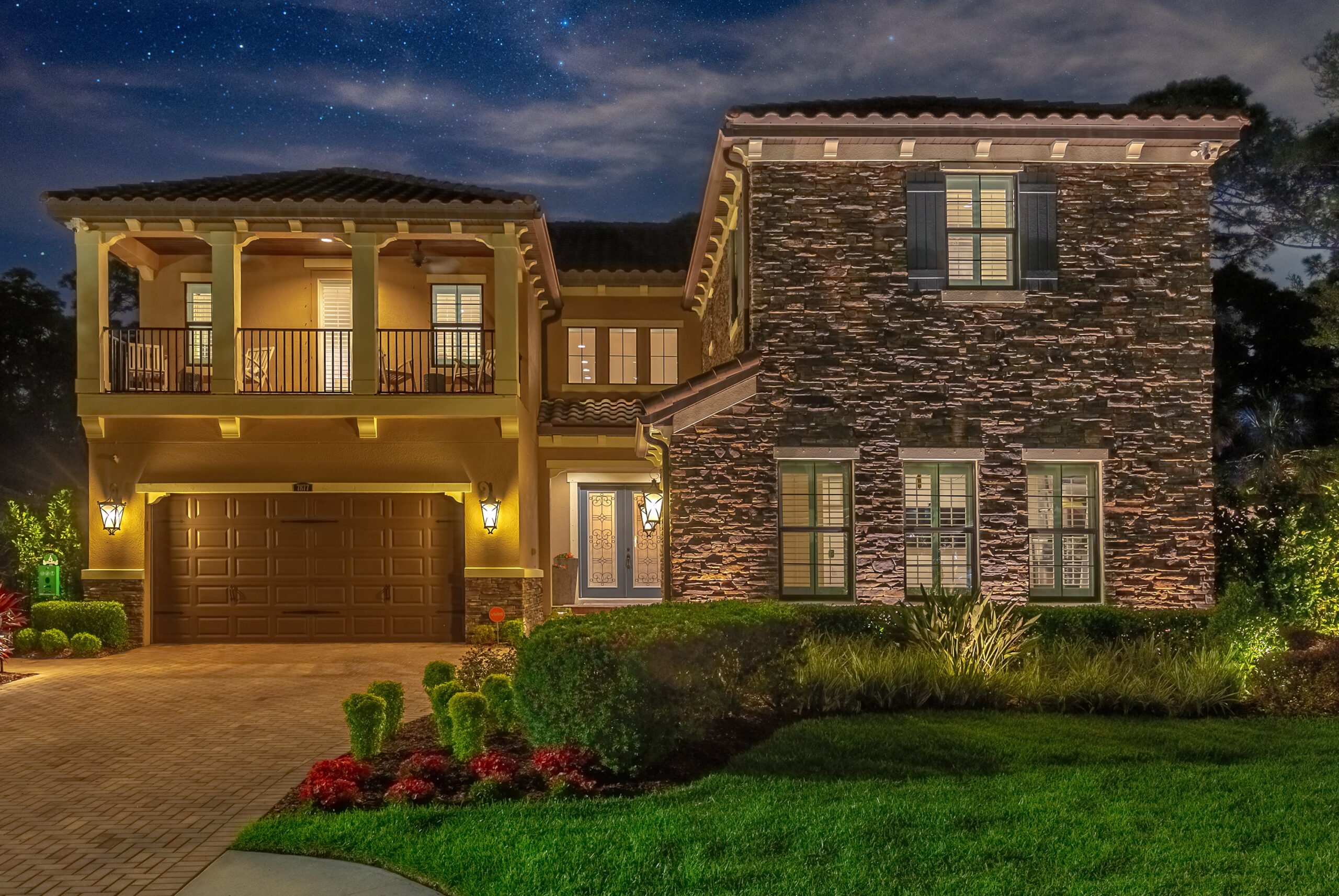
Outdoor lighting further extends the value of LED systems. Professionally designed exterior lighting can enhance safety, usability, and aesthetics by illuminating pathways, patios, landscaping, architectural features, and outdoor living spaces. When integrated with the home’s control system, outdoor lighting becomes as intuitive and responsive as interior lighting.
Why HTA Certification Matters for Lighting Projects
The Home Technology Association (HTA) certifies custom integrators based on technical expertise, business practices, and long-term service capability.
For LED lighting projects, HTA Certification assures that an integrator:
• Understands advanced lighting and control systems
• Designs for performance and longevity
• Follows professional standards
• Supports systems long after installation
Homeowners and design professionals increasingly rely on HTA Certification to identify integrators capable of delivering sophisticated, reliable lighting systems.
How to Budget for LED Lighting and Find the Right Integrator
Planning a lighting project starts with understanding the budget and scope. HTA’s Home Technology Budgeting Tool helps homeowners explore realistic investment ranges for lighting control systems and LED fixtures. From there, a directory of HTA Certified integrators makes it easy to find a qualified professional suited to your project.
With the right system design and the right integrator, LED lighting becomes more than illumination—it becomes an integral part of how your home looks, feels, and functions.
Frequently Asked Questions About LED Lighting and Custom Integrators
What is a custom integrator in LED lighting?
A custom integrator is a home technology professional who designs, installs, programs, and supports LED lighting systems as part of a fully integrated home technology environment. Custom integrators ensure lighting works reliably with control systems, shading, networking, and automation.
Why do LED lighting systems require professional system design?
LED lighting systems rely on compatibility between fixtures, drivers, dimmers, and control platforms. Without professional design, LED systems may experience flicker, poor dimming, color inconsistency, or premature failure. System design ensures performance, reliability, and longevity.
Can an electrician install an advanced LED lighting system?
Electricians handle wiring and code compliance, but advanced LED lighting systems require programming, calibration, and integration with control systems. Custom integrators provide the system-level expertise needed for modern LED lighting performance.
How is LED lighting integrated into a smart home?
Integrated LED lighting connects to centralized control systems that allow automated scenes, schedules, occupancy sensing, daylight harvesting, and coordination with motorized shades, security, and audio-video systems.
What problems occur when LED lighting is not properly designed?
Poorly designed LED lighting systems can cause flickering, inconsistent dimming, audible buzzing, color shift over time, reduced fixture lifespan, and unreliable control behavior.
Why are custom integrators better suited than lighting installers alone?
Custom integrators design lighting as part of a complete home system. They manage fixture selection, control compatibility, programming, and long-term service, ensuring lighting performs consistently and integrates seamlessly with other technologies.
What is circadian lighting, and how do integrators implement it?
Circadian lighting adjusts brightness and color temperature throughout the day to align with natural daylight cycles. Custom integrators program these changes automatically within the lighting control system to support comfort and wellness.
How does outdoor LED lighting benefit from system integration?
When integrated, outdoor LED lighting can be automated, scheduled, and coordinated with interior lighting and security systems. This improves safety, usability, and aesthetic consistency across the property.
What does HTA Certification indicate for lighting projects?
HTA Certification indicates that a custom integrator has been independently evaluated for technical expertise, professional practices, and long-term support capability—important factors for successful LED lighting systems.
How should homeowners budget for LED lighting systems?
Homeowners should budget for both LED fixtures and lighting control systems. Tools like the Home Technology Association’s budgeting resources help estimate realistic investment ranges and identify qualified integrators.
Who should consider hiring a custom integrator for lighting?
Homeowners, architects, interior designers, and builders planning high-performance or automated LED lighting systems should work with a custom integrator to ensure reliability, control, and long-term value.
Why is LED lighting considered a system rather than a product?
LED lighting performance depends on how fixtures, drivers, power, and controls work together. Treating LED lighting as a system ensures consistent performance, flexibility, and scalability over time.
You Might Also Like: