

















And avoid expensive mistakes in a market where design, performance, and long-term support all matter.
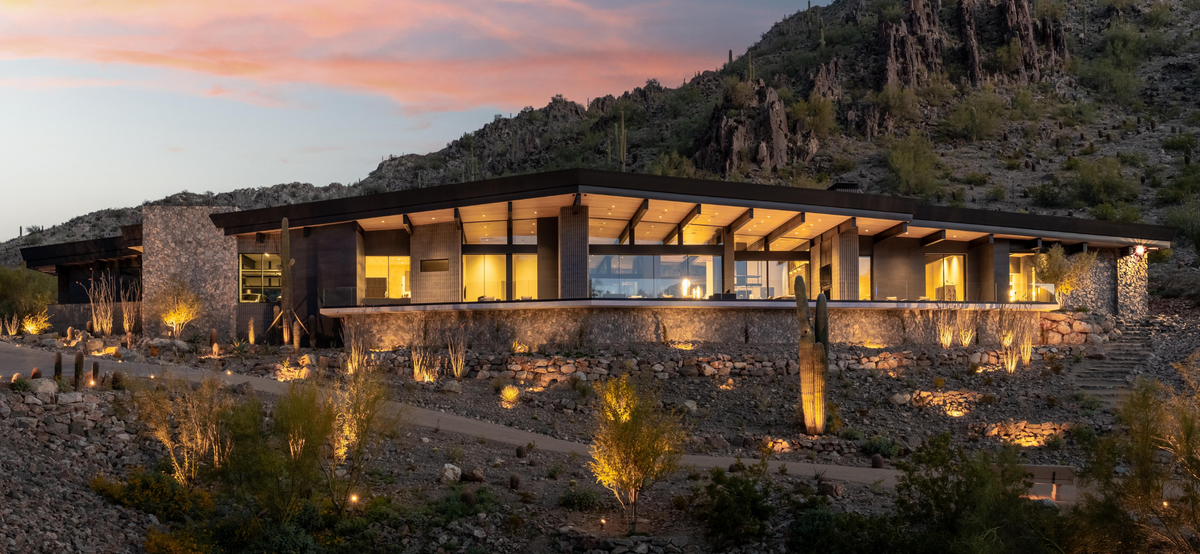
In Scottsdale, smart home projects come with high expectations. These are not generic homes, and they are not generic technology projects.
Between expansive floorplans, indoor-outdoor living, intense desert sun, custom architecture, and the sheer amount of technology a modern luxury home now carries, choosing the right home technology company in Scottsdale matters more than many homeowners realize.
Plenty of firms can install products. Far fewer can design a cohesive system, collaborate with the entire project team from the first set of plans, and support that system long after move-in day. If you are building, remodeling, or upgrading a luxury home, here is what to look for before hiring a smart home company in Scottsdale.
The Desert Raises the Stakes
Scottsdale homes place demands on technology that few other markets do, and most of those demands come from the desert itself.
Solar gain and UV exposure are relentless here. Left unmanaged, they fade interiors, drive up cooling costs, and make west-facing rooms unusable in the afternoon. That is why lighting control and motorized shading are not luxuries in Scottsdale; they are part of how a home functions. Dust, heat, and monsoon-season weather also punish outdoor equipment, so exterior speakers, televisions, and wiring have to be specified for the climate, not simply moved outside.
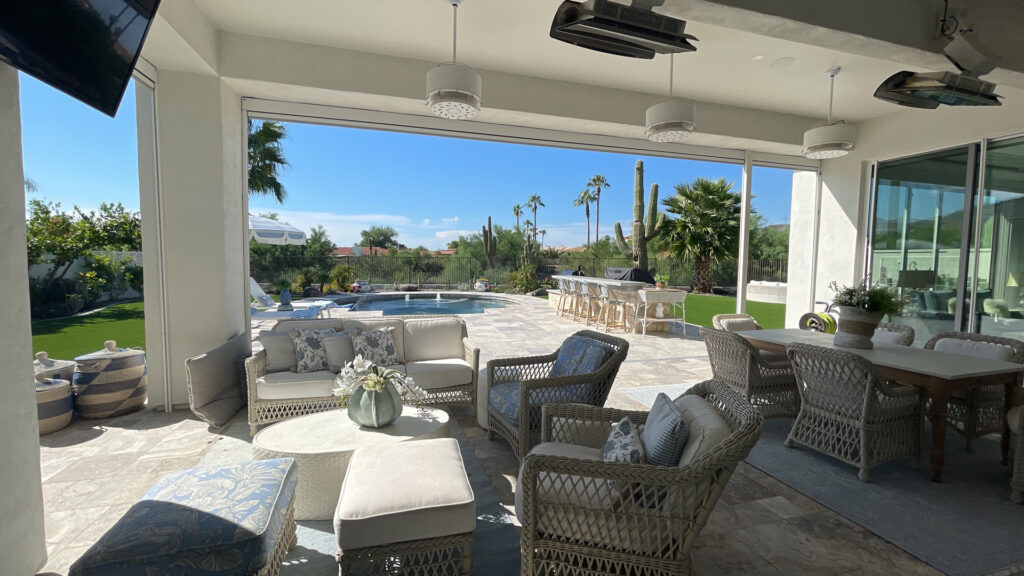
Then there is scale. Many Scottsdale properties are true compounds: a main residence plus a casita, a detached garage, a pool house, or a guest home. Reliable Wi-Fi, control, surveillance, and audio need to reach every structure and every corner of the grounds, which takes engineered infrastructure rather than off-the-shelf equipment.
Design matters just as much. In a luxury home, visible hardware, poor placement, unreliable performance, or awkward retrofits can undercut the entire experience.
Pitfalls That Cost Scottsdale Homeowners
Confusing installation with integration
Mounting a TV or adding a few smart devices is not the same as designing a home where every system works together reliably.
Underestimating the network
When the network underperforms, everything else does too. Weak Wi-Fi, lag, outages, and unreliable control often begin with poor infrastructure, a problem that multiplies on multi-building estates.
Ignoring the desert
Standard consumer gear is built for mild climates. It fails fast here, and replacing it twice costs more than specifying it correctly the first time.
Overlooking long-term support
Technology evolves. Service matters. Homeowners should know who will support the system after the installation is complete, especially if they are away for part of the year.
Treating design and technology as separate
The best systems feel like they were designed into the home, not added to it. The right integrator works alongside the broader project team so the result feels intentional and refined.
Desert Living Should Drive the Design
Technology should reflect the way the home is actually lived in.
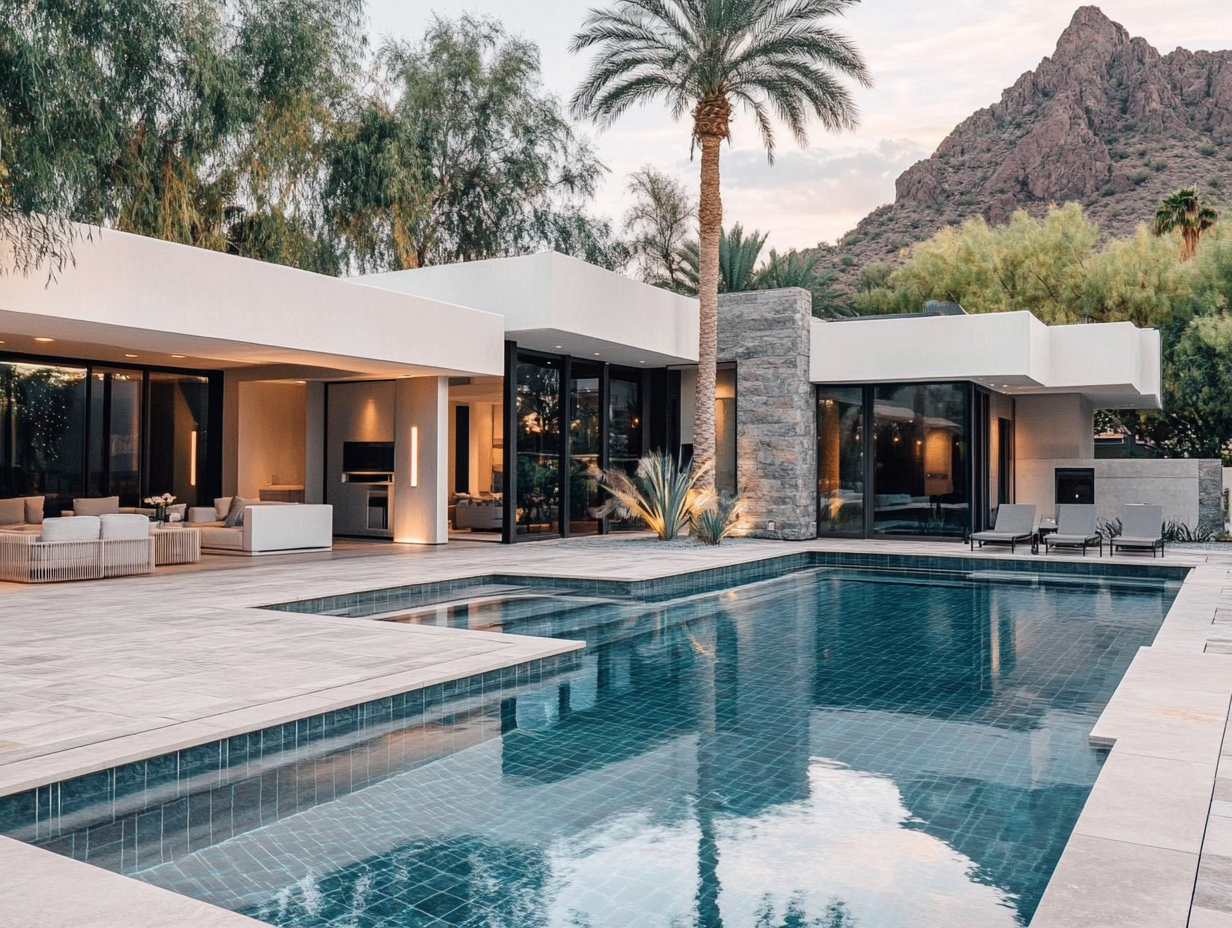
In Scottsdale, that starts with indoor-outdoor living. Patios, pool decks, and outdoor kitchens get used most of the year, so entertainment and control need to perform just as well by the pool as they do in the great room.
Views deserve the same consideration. Most of these homes were designed around mountain or golf course sightlines, and shading should work with them, tracking the sun through the day rather than forcing a choice between the view and the heat.
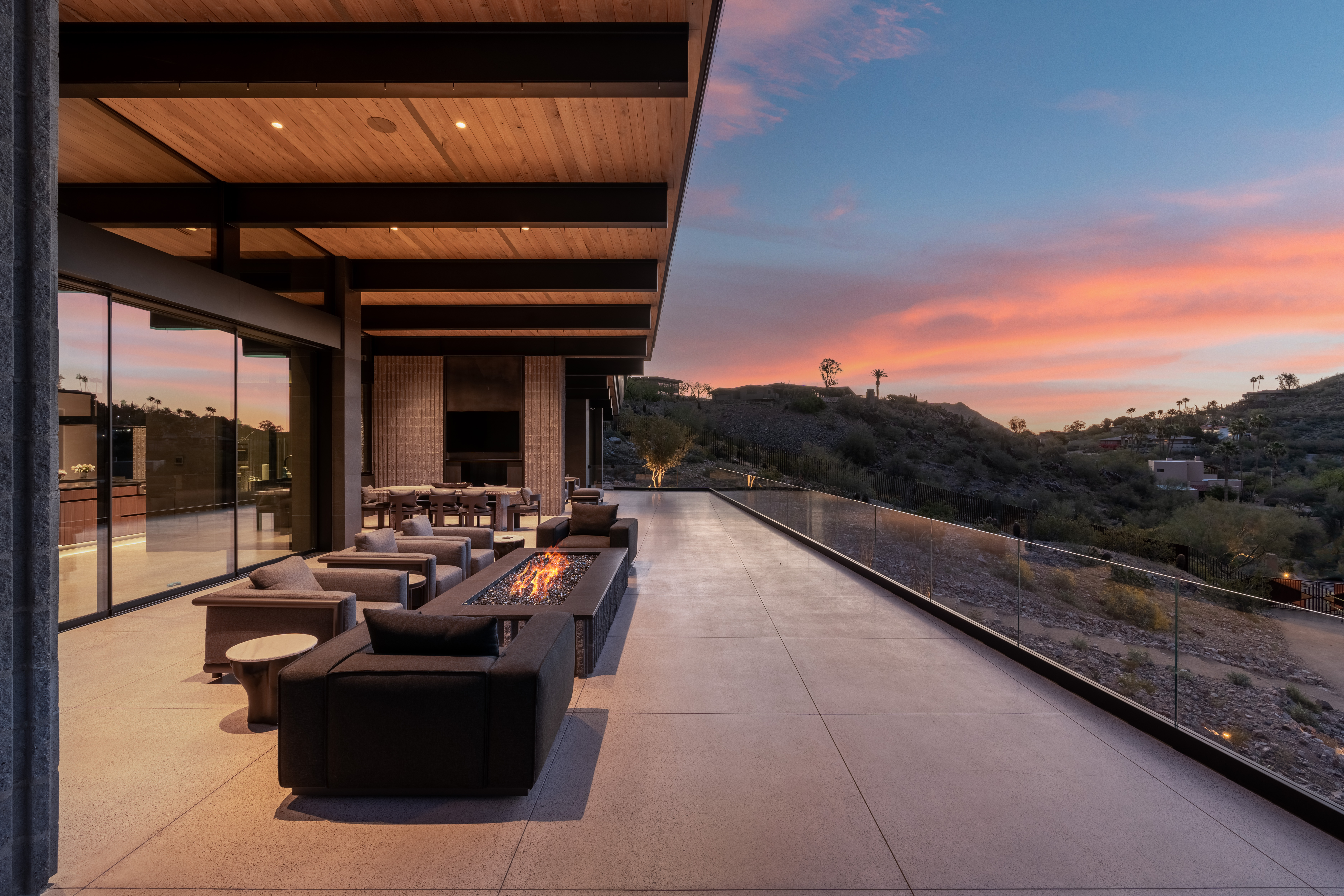
And because so many Scottsdale properties are seasonal or second residences, remote management deserves real attention. A well-designed system lets an owner in another state keep eyes on the property, catch a water leak before it becomes a disaster, and keep the interior protected through the brutal summer months, all from a phone. That level of dependability only happens when the system has been engineered for it from the start, not patched together afterward.
Start With Firms That Integrate, Not Just Install
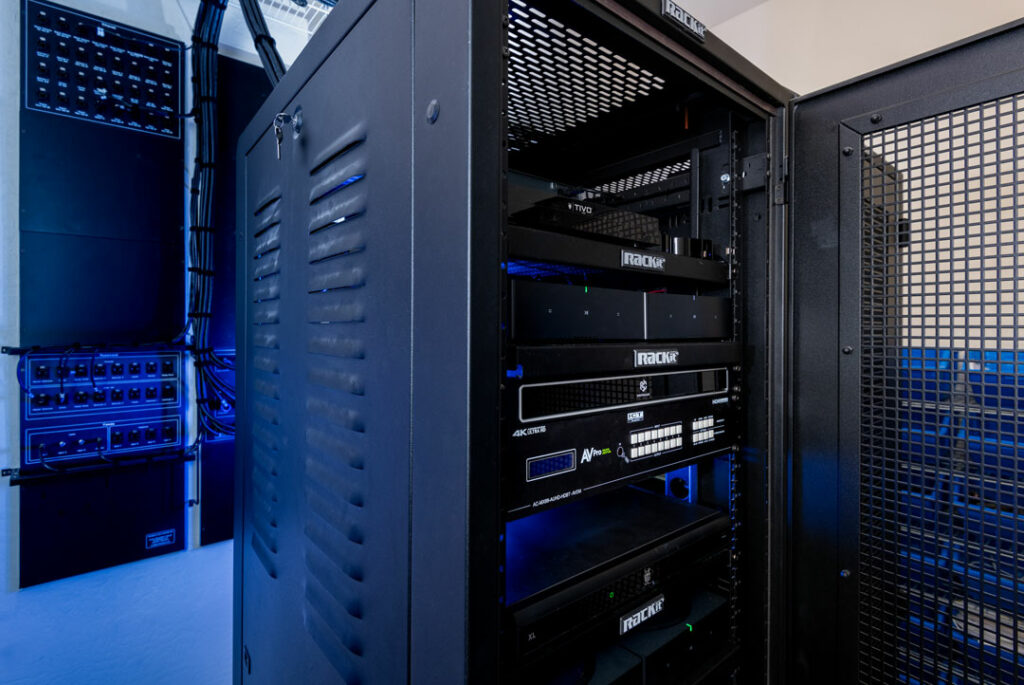
Not every AV company is a true home technology company. Some firms focus primarily on televisions, home theater, security, or low-voltage wiring. Those specialties may cover part of a project, but a real home technology company should be able to unify lighting, motorized shades, audio video, networking, surveillance, climate, outdoor entertainment, and smart home control into one seamless experience.
The better question is not, "What products do you install?"
It is, "Can you design a system where everything works together simply, reliably, and beautifully?"
In higher-end Scottsdale homes, that distinction becomes obvious very quickly.
What the Right Firm Looks Like
The best home technology companies in Scottsdale combine technical expertise, design sensitivity, proven credentials, and long-term support.
Look for a firm with an established track record in the Scottsdale and Paradise Valley market: one that has designed systems for desert estates before, works closely with architects, builders, designers, and developers, and holds credentials like HTA Certification that back up its claims. Depth matters too: the full scope of the project, from the wiring behind the walls to the home theater, should live under one roof rather than being pieced together from multiple vendors.
For homeowners who expect technology to feel polished, discreet, and reliable, that level of specialization matters.
Let Independent Credentials Do the Vetting
A polished website does not tell you how a company performs when the project becomes complex.
One of the clearest ways to separate proven firms from self-proclaimed ones is HTA Certification. The Home Technology Association is an independent body that vets integrators before certifying them, evaluating everything from engineering competence and project management to how well a firm takes care of clients years after the final invoice. A company cannot buy its way in; it has to earn it.
For homeowners, architects, builders, and interior designers trying to vet firms in a crowded market, that third-party validation carries real weight. Starting your search with HTA Certified companies serving Scottsdale and Paradise Valley narrows the field to firms that have already been independently evaluated.
Brands Are Tools, Not the Answer
Luxury brands matter, but brand names alone are not enough. A strong integrator knows when Crestron Home is the right fit, when Lutron motorized shades are worth specifying, and how to build around the architecture and lifestyle of the home rather than forcing a project into a predetermined package.
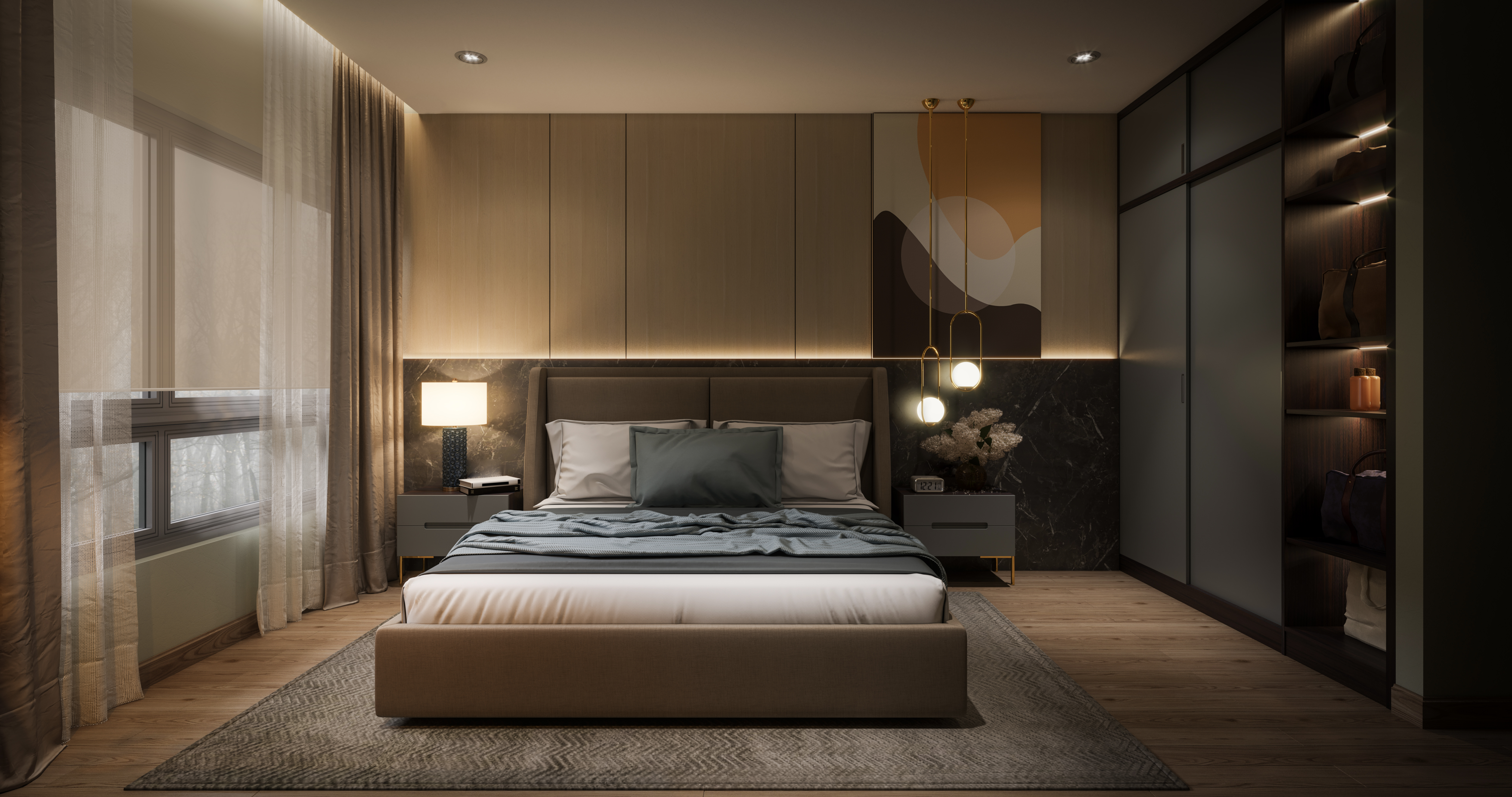
The strongest firms curate technology that feels appropriate to the property, performs at a high level, and integrates cleanly into the design.
That is what luxury home technology should do.
Questions Worth Asking Before You Sign
A qualified integrator should be able to explain its process clearly.
Ask who designs the system. Ask how early the firm gets involved. The best outcomes happen when the technology plan is developed alongside the architectural drawings, not bolted on after framing. Ask how the individual systems are planned as one design rather than treated as a series of separate decisions.
Then ask what happens after installation. Luxury homeowners should know what support looks like, whether aftercare plans are available, and who they will call months or years down the road. In a market like Scottsdale, long-term service should be part of what's offered from the very beginning, not an afterthought.
Scottsdale Smart Home FAQs
Is it possible to automate a whole estate, including the guest house and pool area?
It is, if the infrastructure is engineered for it. Multi-building estates need enterprise-grade networking and a unified control platform so the casita, pool area, and main residence all behave as one property rather than three separate systems.
What does HTA Certification actually tell me about an integrator?
It tells you an independent organization has verified the firm's technical capability, professionalism, and commitment to supporting clients over the long term. Anyone can claim to be a luxury integrator; certification is proof someone checked, and that narrows the field quickly.
We only live in Arizona part of the year. What should our system be able to do while we're gone?
A properly designed system gives seasonal homeowners full remote visibility: camera access, water leak detection, climate monitoring, security alerts, and control of lighting and shades from a phone. For second residences, this should be a core design requirement, not an add-on.
Are automated shades worth it in a desert home?
Absolutely. Automated shading is one of the most effective tools for managing solar gain in a desert home. Shades that respond to the sun's position reduce glare, ease the load on cooling systems, and protect flooring, art, and furnishings from UV fading, all without giving up the view.
The Bottom Line
The technology in a Scottsdale home should feel effortless: shades that move with the sun, a network that never blinks, entertainment that follows you from the great room to the pool, and a system you can trust from across the country.
Getting there takes more than good products. It takes an integrator with the judgment to design for the desert, the discipline to coordinate with your architect and builder, and the commitment to still be there when you call five years from now.
For homeowners in Scottsdale, Paradise Valley, and the surrounding area, taking the time to find that kind of partner is what separates a smart home that impresses on day one from one that still performs beautifully a decade later.
You Might Also Like:




Additional Resources On This Topic: