













Salt air, storm season, poured concrete, and homes that sit empty for months change what a technology system has to survive.
HTA Certified Integrators Near You
-
Acoustic Architects
Miami, Florida
HTA Certified - Estate -
Interseckt Corporation
Coral Gables, FL
HTA Certified - Estate -
Audio Command Systems
Florida, FL
HTA Certified - Estate -
ioty, inc.
Doral, FL
HTA Certified - Estate -
ALL DIGITAL
Sunrise, FL
HTA Certified - Luxury -
Illusive Automation
Fort Lauderdale, FL
HTA Certified - Luxury
Most cities ask for a home technology system to work well. Miami asks it to work well while under attack.
Salt carried inland corrodes anything metal left outdoors, humidity sits high enough and long enough that equipment closets need real thermal planning, and lightning density here is among the highest in the country. For several months every year, the region also plans around storms that take down power and internet in a single afternoon.
A technology integration firm working here is designing against all of that before a single client preference enters the conversation. The difference between a system that looks great at handover and one that still performs in year five usually comes down to decisions made during design that no homeowner ever sees.
The Florida Climate Is the First Design Constraint
Coastal air is hard on electronics in ways that surprise homeowners moving from elsewhere. Outdoor speakers, cameras, keypads, wireless access points, antennas, and every connector attached to them face constant salt exposure, and on waterfront properties corrosion can begin within a season on hardware never specified for a marine environment. Experienced firms here specify marine-grade enclosures, corrosion-resistant fasteners, sealed terminations, and mounting that keeps vulnerable connections out of direct spray.
Humidity works on the interior side. A rack tucked into an unconditioned garage or a sealed closet in this climate will run hot and collect moisture. Good design puts equipment in conditioned, ventilated space with airflow calculated for the actual load, a decision that is invisible in a finished home and one of the strongest predictors of how long the system will last.
Lightning is the third factor. A direct or nearby strike can travel into a home along power, coaxial, and network wiring, which makes layered surge protection and correct grounding baseline requirements in Miami. Ask any home technology installation firm you are considering how they handle it, and listen for whether they treat it as standard in every design or as an upsell.
Concrete, Glass, and the Wireless Signal Problem
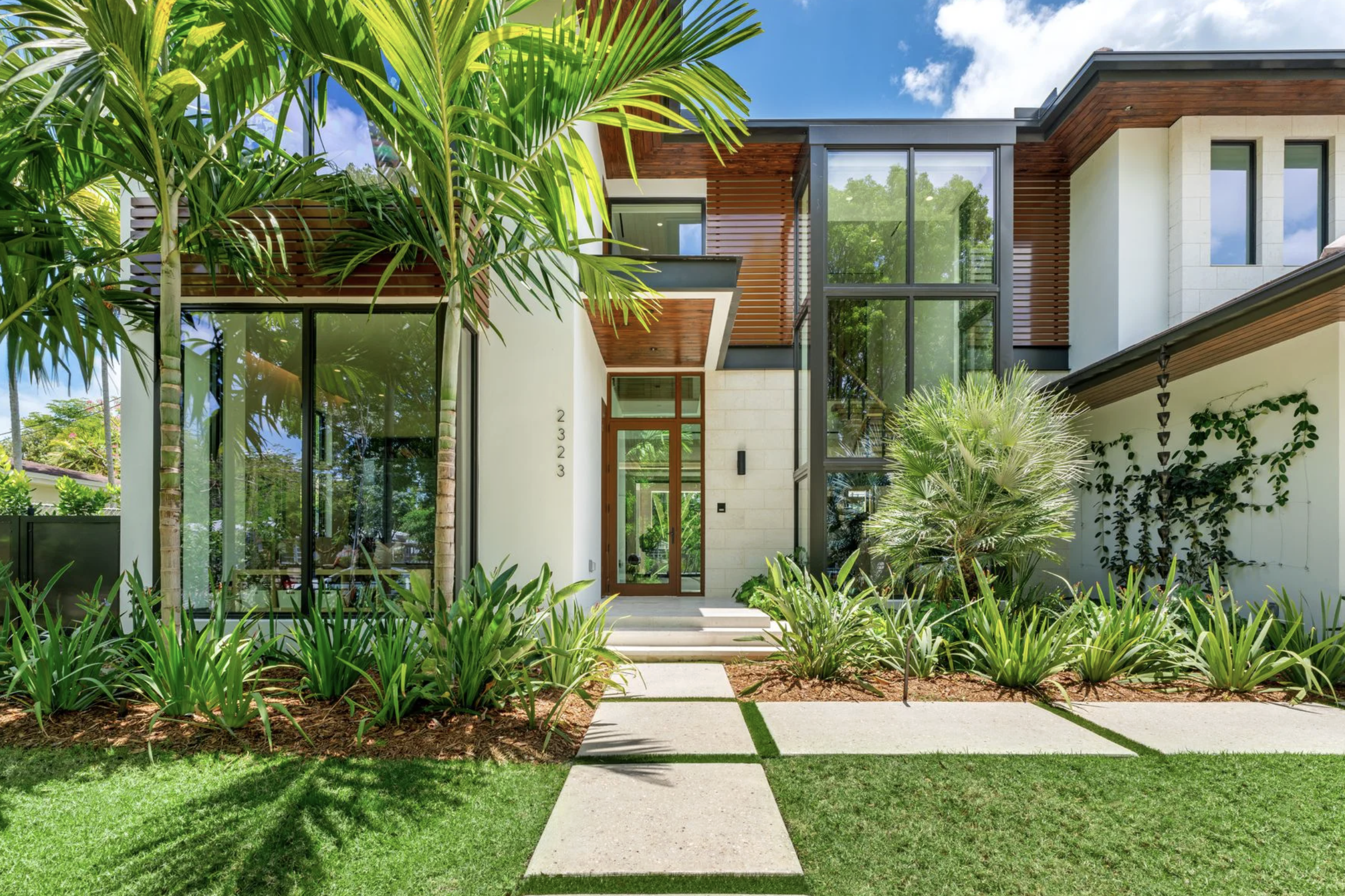
Concrete block construction, poured concrete floors, and structural rebar are excellent for hurricane resistance and hostile to wireless signals. A single floor slab can effectively isolate one level of a home from another. Impact-rated windows add a second layer, since the coatings that make modern glass energy efficient also attenuate cellular signals, which is why so many new Miami homes and condos have strong Wi-Fi and almost no bars of cell signal.
A firm that understands this designs a wired backbone first and treats wireless coverage as an engineering problem with a measured answer. That means placement starts with the structure, and the aesthetic integration happens around it. It also means hardwired connections to anything that can accept one, and in many homes a cellular signal enhancement system engineered alongside the network instead of added later after the complaints start. Docks, seawalls, and detached structures need outdoor-rated infrastructure rather than a Wi-Fi range extender near a window.
Storm Season Belongs in the Design Documents
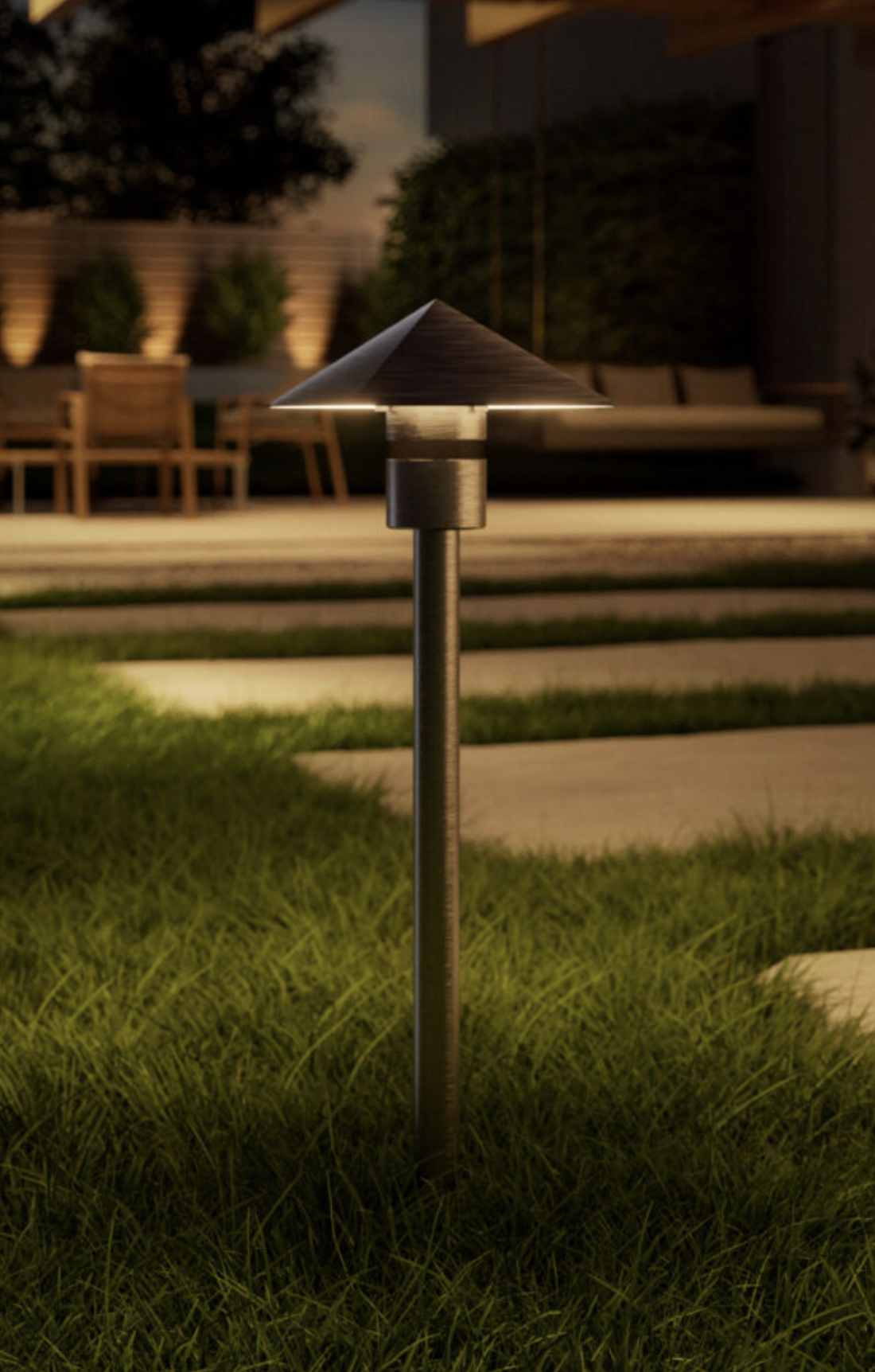
In Miami, hurricane preparedness is a technology requirement, and the questions are specific. When utility power drops, does the system integrate with the generator and any battery storage so the network, security, cameras, and climate control stay online in a defined priority order? Are motorized shades and shutters part of a single control scenario, or does someone close them room by room before evacuating? If local internet service goes down, does the system fall back to a cellular or satellite connection so remote monitoring continues? Outdoor lighting has to hold up to the same conditions. Lighting fixtures on a Miami property face salt, heat, and hurricane season with no break in between, which is why specification here leans toward marine-grade materials and sealed low-voltage systems that survive the summer.
That level of performance happens when the integrator is in the project early enough to coordinate with the electrician on generator loads and with the design and build team on where the equipment lives. A home technology integrator brought in after drywall can install good products. It cannot re-engineer the electrical priorities of the house.
Hurricane screens deserve their own line of questioning. Miami-Dade County runs its own approval process, and a screen earns a Notice of Acceptance only after testing to the High Velocity Hurricane Zone protocols, so ask for the NOA number and confirm it covers the exact size and configuration going on the house. On the integration side, motorized screens should run inside the same storm scenario as the shades and shutters, with enough backup power to retract them once the storm clears.
Outdoor Space Is Living Space Here
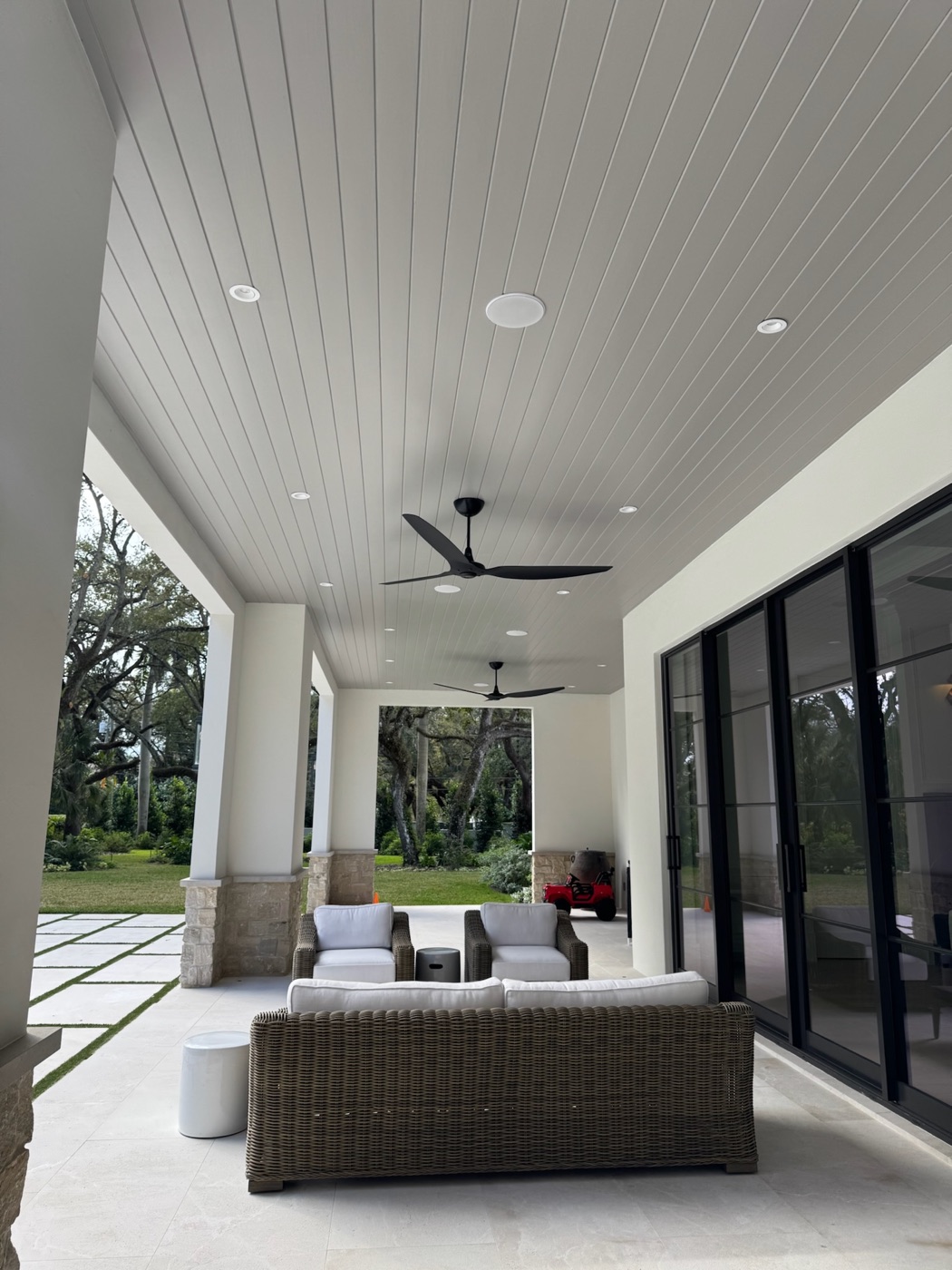
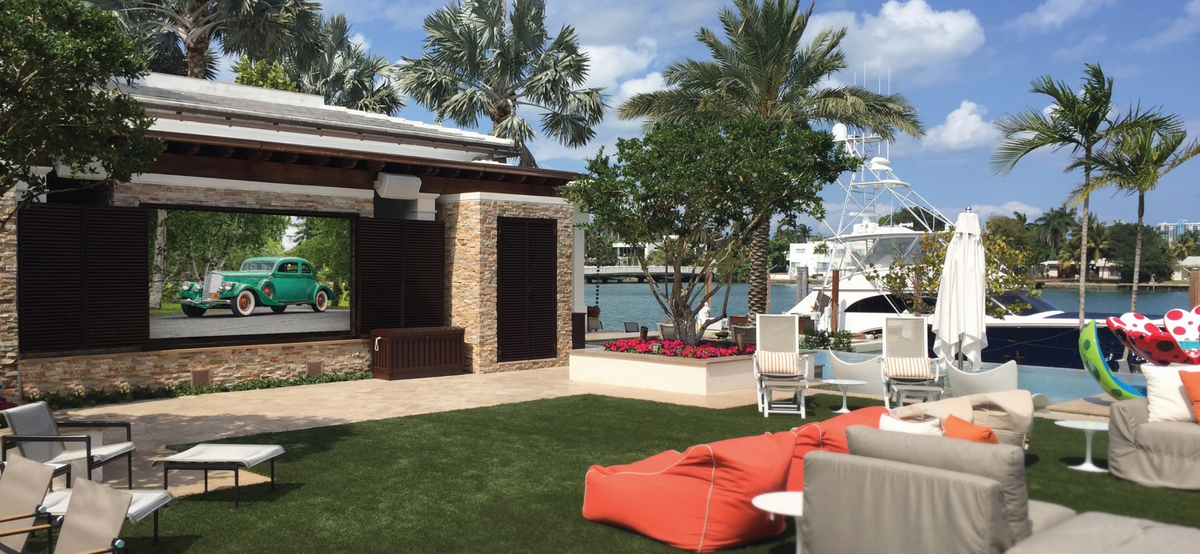
In much of the country, outdoor technology is seasonal. In Miami it runs year-round and carries a real share of how a home is used. Pool decks, summer kitchens, rooftop terraces, and dock areas commonly include audio, video, lighting, shading, and climate elements such as fans and heaters, and each has to perform in conditions that outlast ordinary gear. An outdoor display has to be bright enough to read in direct South Florida daylight, and landscape audio has to compete with wind and water noise while keeping volume off the neighboring property.
Ingress protection ratings are the closest thing to a straight answer on durability. The two digits cover solids and water, so an IP65 speaker is sealed against dust and handles water from any direction, while IP67 survives temporary submersion. Covered areas are usually fine at IP65, and anything on an open pool deck or a dock should be specified higher. IP testing says nothing about salt, so on waterfront property ask separately about salt spray testing and about the metals used in grilles and brackets. A speaker can be fully weather sealed and still look ruined after two seasons.
The other half of the job is visual. Miami's contemporary architecture leaves very little room to hide hardware, which puts the integrator in ongoing coordination with architects and interior designers on speaker placement, keypad finishes, shade pockets, and display concealment.
Many Miami Homes Spend Time Empty
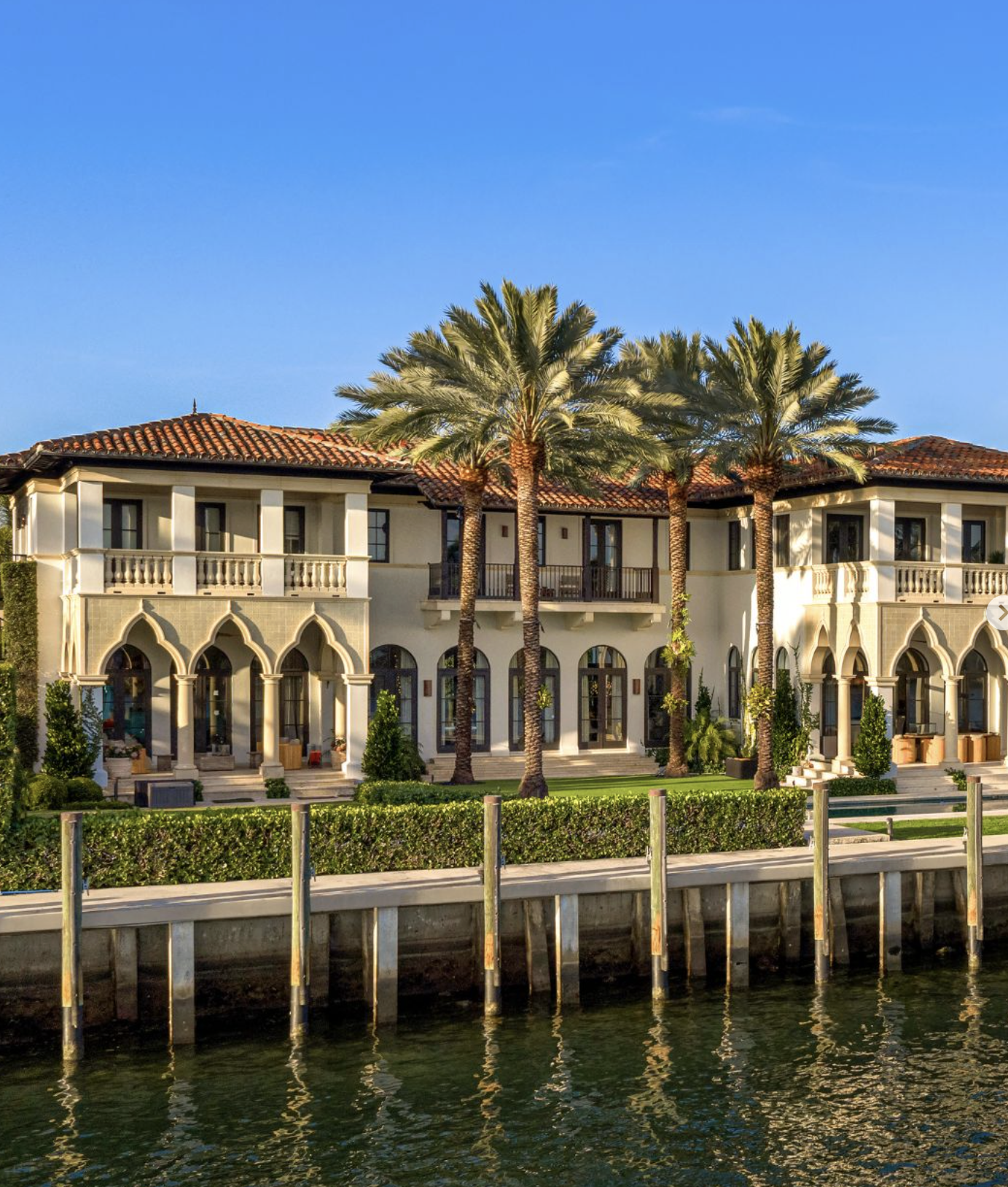
A large share of properties in this market are second homes, seasonal residences, or investments owned by people who live somewhere else, often in another country. The distinctly South Florida issue that needs to be addressed is humidity. A house closed up through a Miami summer without adequate dehumidification is a mold remediation bill waiting to be paid in November, which is why systems here are often configured to hold humidity thresholds rather than temperature alone, with alerts when conditions drift outside them.
These properties also run on other people, including property managers, housekeepers, contractors, and in some cases rental turnover, so access management, camera visibility, and the ability to grant and revoke entry remotely carry more weight here than they would in an owner-occupied house.
Service structure matters just as much. Ask how a firm supports a client who is not in the building, whether they offer proactive network monitoring that catches failures before an owner arrives, and what languages your household and staff will actually be using with the service team.
Vetting Firms in a Boom Market
South Florida has absorbed extraordinary growth, and the home technology integration industry grew with it. That is good for capacity and it makes verification harder, because a polished website and a showroom do not tell you how long a company has been doing this work or whether it will be around to service the system.
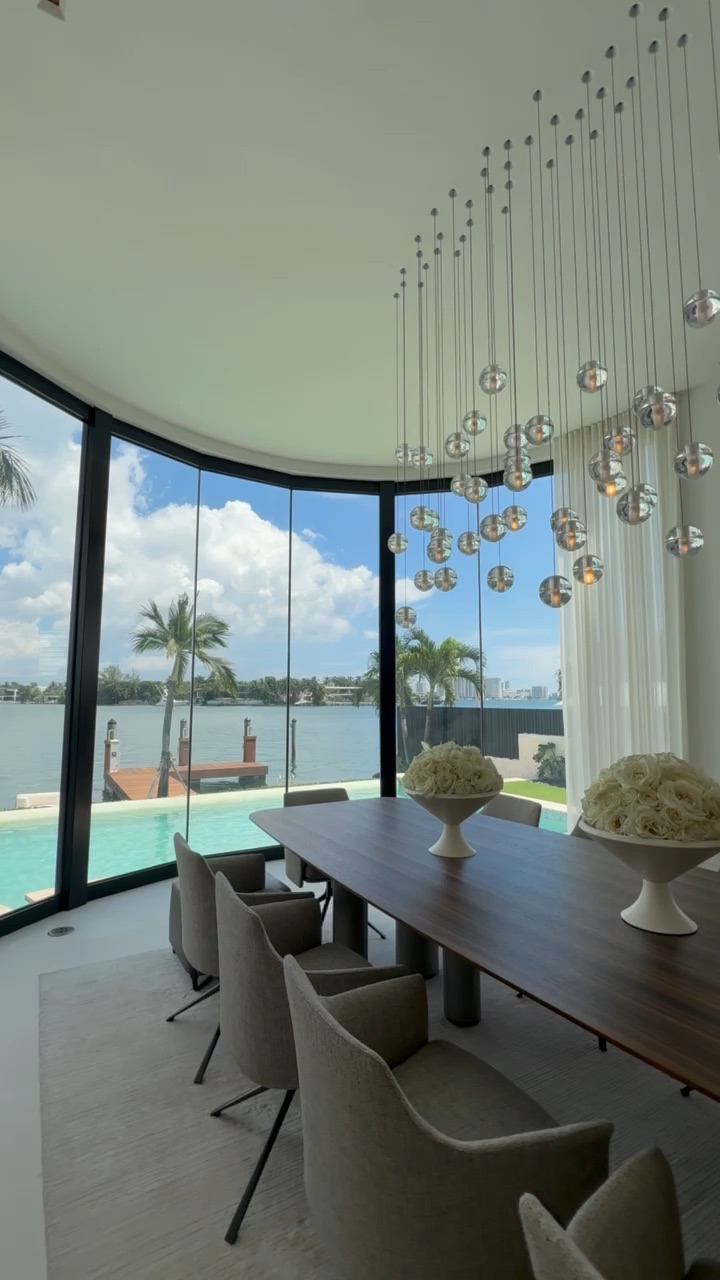
Verify state licensing and insurance for low voltage and alarm work. Ask how long the firm has operated in South Florida specifically, since experience with this climate and Miami's building types is not interchangeable with experience elsewhere. Ask for references from projects several years old rather than recently completed ones, ask who answers the phone in year three, and ask what a service agreement includes.
The HTA Certified home technology integrator directory exists to shorten this process. HTA Certification requires firms to pass independent vetting covering business stability, insurance, references, and project verification, which removes most of the guesswork from a market where new companies appear constantly.
Common Questions from Miami Homeowners
Does my condo limit what I can install? Buildings vary widely, and many govern contractor access, work hours, elevator use, insurance requirements, and any work involving walls, ceilings, or the building's risers. Milestone inspection and reserve requirements have also made many boards more cautious about construction activity, so an integrator who works in towers regularly will plan around a building's process rather than discover it mid-project.
Can technology be added to an existing concrete home without major construction? Yes, though the approach differs from wood-frame retrofits. Concrete limits in-wall pathways, so integrators rely on existing conduit, raceways concealed within millwork and ceilings, coordination with any planned renovation, and wireless where structure allows it.
How much does hurricane readiness add to a project? It varies with scope, though the components that matter most, meaning surge protection, generator coordination, cellular/satellite failover, hurricane screens, and water sensing, represent a small fraction of a typical system budget relative to what they protect.
Miami Homes Demand a Higher Standard
Every market has its own version of a difficult job. In Miami, it is a climate that corrodes, a building method that blocks signals, a storm season that tests every assumption, and an ownership pattern that puts many homeowners hundreds or thousands of miles from the property. A technology integration firm that has genuinely learned this market designs for all of it as routine, and the result is a home that performs the same in August as it did the day it was commissioned.
Starting with independently HTA Certified integrators is the most reliable way to find firms that have proven they can deliver that.
You Might Also Like: