












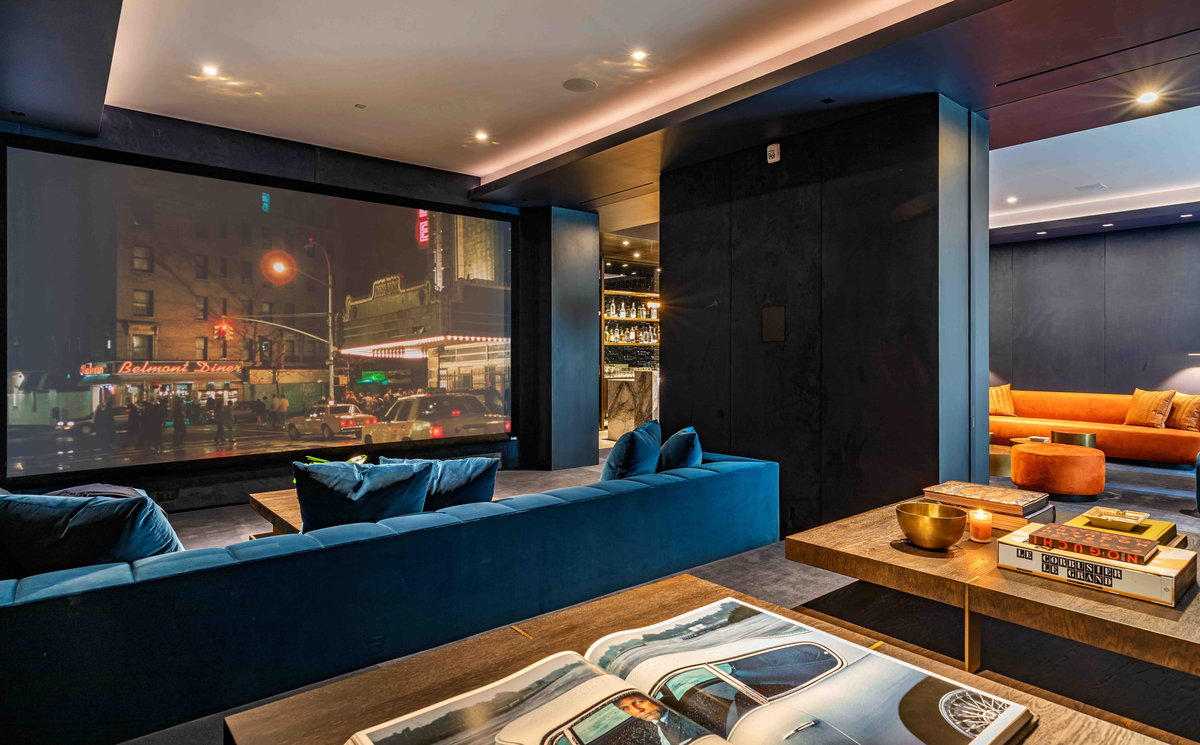





Integrating smart home technology into a beautifully designed space requires more than just selecting devices—it requires thoughtful planning, collaboration, and a deep understanding of how technology impacts the living experience. The Home Technology Association (HTA) works with interior designers to ensure technology enhances, rather than disrupts, the aesthetic vision of a home.
What Is Smart Home Integration in Interior Design?
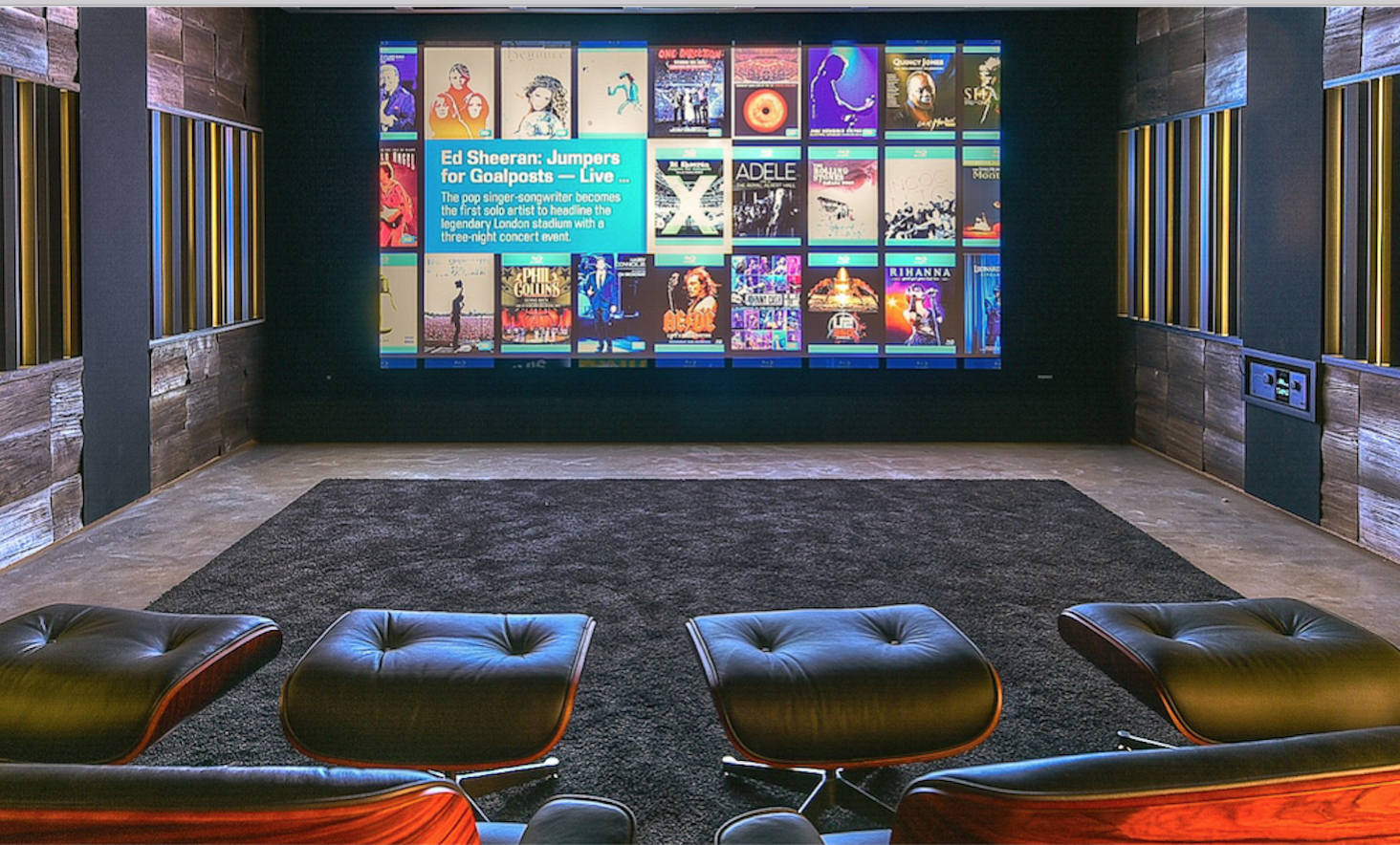
Smart home integration is the process of seamlessly incorporating technology—such as lighting control, motorized shades, audio video systems, home control systems, and hidden technology—into the architectural and interior design of a home.
When done correctly, technology becomes invisible while improving comfort, convenience, and functionality.
Interior designers often collaborate with:
- Home technology integrators
- Lighting designers
- Architects
- General contractors
Together, this team ensures the technology aligns with the design intent from the beginning of the project.
Why Interior Designers Should Plan for Technology Early
One of the most common mistakes in residential projects is introducing technology too late in the design process.
Planning early allows you to:
- Conceal wiring, speakers, and hardware
- Coordinate lighting and shading with design elements
- Avoid costly redesigns or compromises
- Maintain clean lines and architectural integrity
- Deliver a more refined client experience
Early collaboration with a certified integrator ensures the technology supports your vision—not the other way around.
Work with a Certified Home Technology Integrator
A qualified integrator brings both technical expertise and design sensitivity to the project.
Professionals listed by the Home Technology Association have been independently vetted for:
- Design collaboration experience
- Technical performance
- Project execution
- Long-term service and support
This ensures interior designers can confidently recommend a trusted partner to their clients.
Smart Home Design Tips for Interior Designers
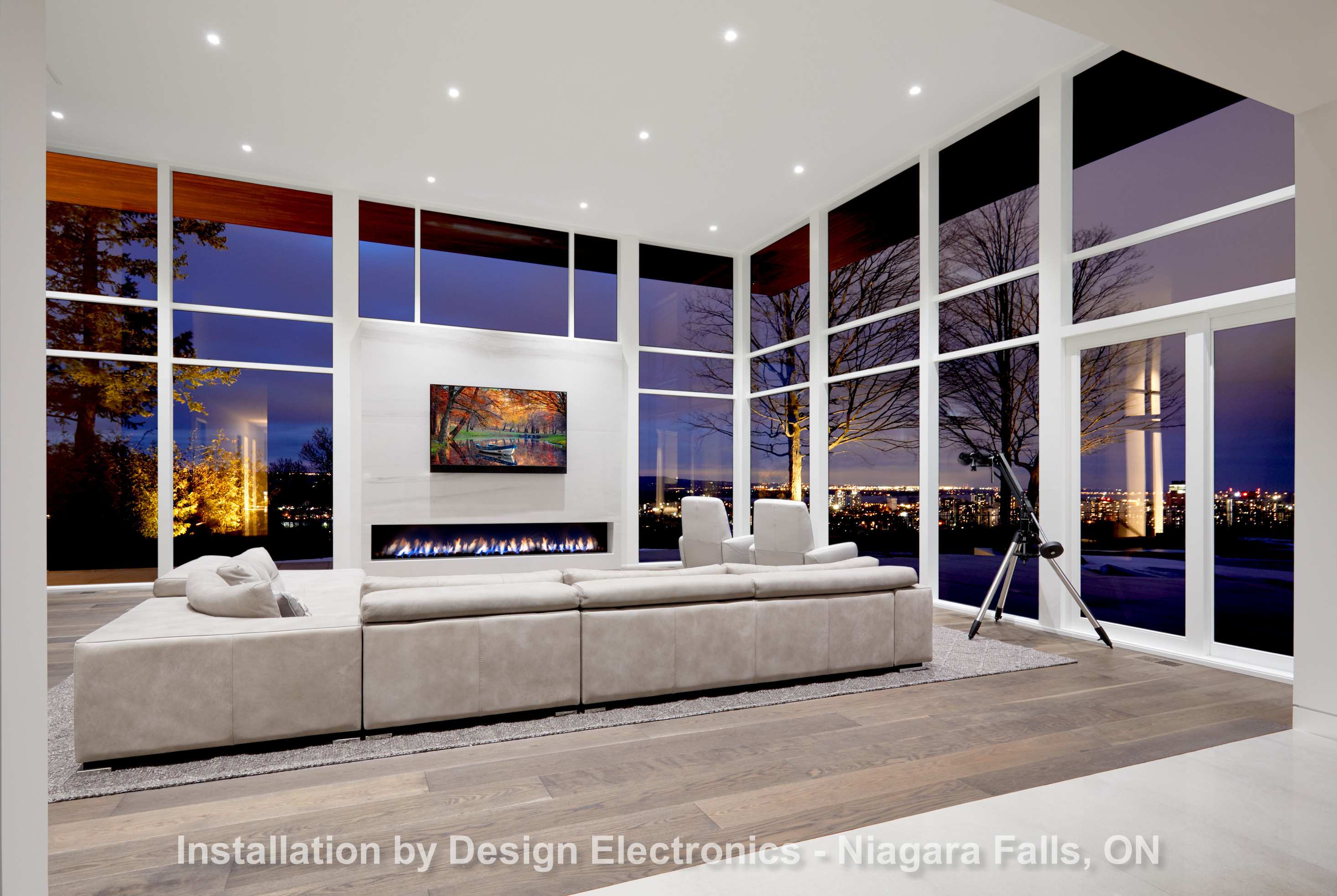

1. Design for Invisible Technology - Use architectural speakers, recessed lighting controls, and hidden displays to maintain a clean aesthetic. Technology should disappear into the design whenever possible.
2. Coordinate Lighting and Shading Early - Lighting control and motorized shades are foundational to both ambiance and functionality. Plan these systems alongside your lighting design—not after.
3. Plan Equipment Locations in Advance - Technology requires centralized equipment, such as racks or structured wiring panels. Allocating space early prevents last-minute compromises.
4. Consider User Experience - Technology should be intuitive and easy to use. Work with integrators who prioritize simple, elegant control interfaces that align with the overall design.
5. Think Beyond the Main Living Spaces - Include technology planning for outdoor areas, wellness spaces, and secondary rooms to ensure a consistent experience throughout the home.
6. Protect the Design Vision During Installation - Work with professionals who understand construction sequencing and respect the integrity of finished spaces during installation.
 How Interior Designers and Integrators Work Together
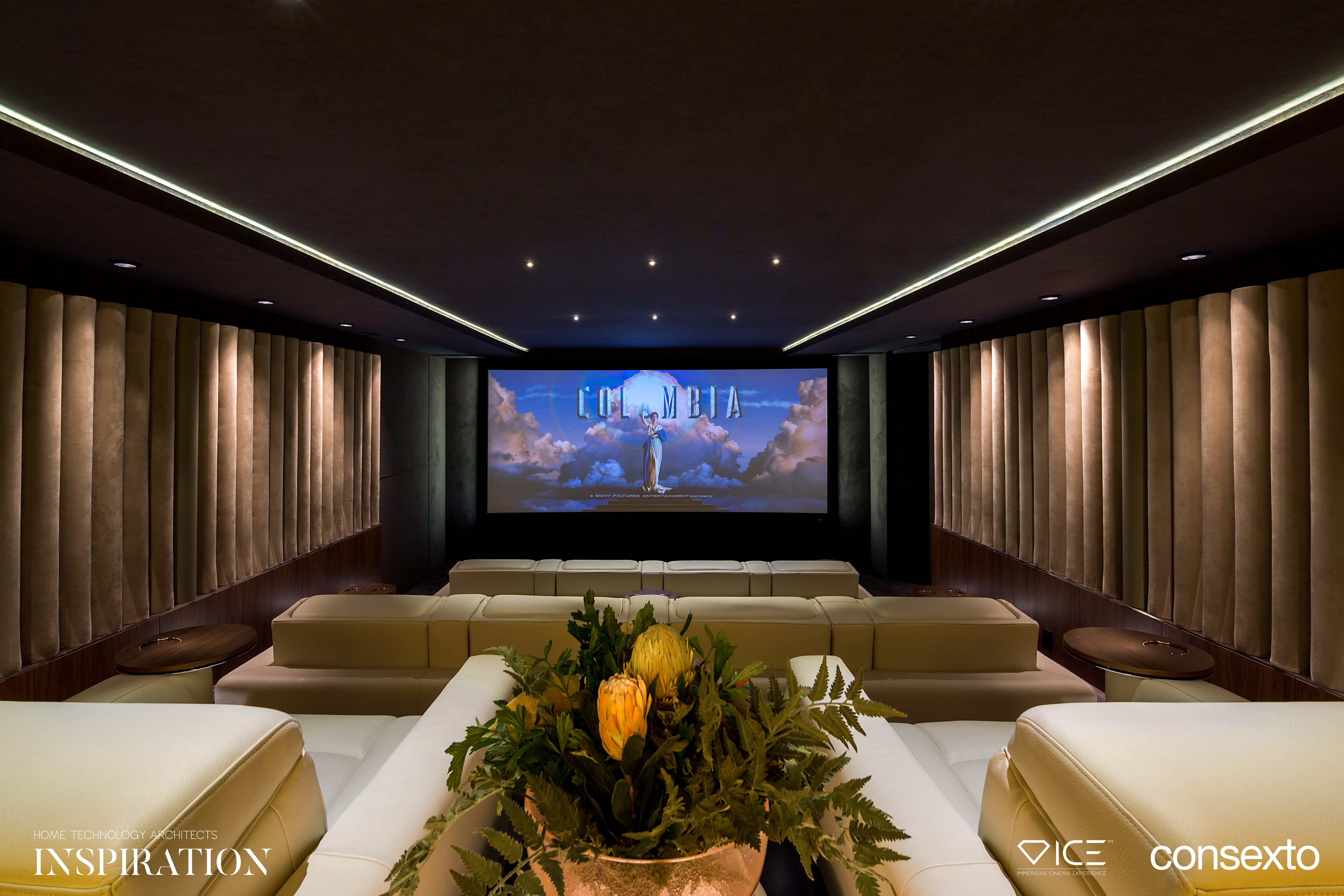
Successful projects depend on collaboration between interior designers and home technology integrators.
A typical workflow includes:
- Early consultation during concept design
- Coordination with architects and builders
- System design and documentation
- Pre-wire and infrastructure planning
- Installation and system integration
- Final tuning and client handoff
This collaborative approach ensures both design and technology are executed at the highest level.
The best way to find a qualified integrator is through the Home Technology Association website. Our rigorous certification process helps homeowners and specifiers—including interior designers, architects, and general contractors—identify trusted home technology professionals.
When you find an HTA Certified integrator, hold onto them. These professionals are rare because they’ve been independently vetted for technical expertise, project execution, and long-term service—making them true standouts in the industry.
HTA also makes it easy to find the right fit by clearly classifying integrators based on project scope and experience. You can learn more about the certification standards and tier structure here:
- Foundation – Ideal for standard-size residential projects
- Luxury – Designed for high-end homes and more advanced systems
- Estate – Reserved for ultra-custom estates, yachts, and private residences with complex requirements
To find an HTA Certified technology integrator in your area, use our directory here.
A good local technology partner will be more than happy to educate you on how you can elevate your project to the next level with high-design technology. Interior designers can also contact the Home Technology Association to arrange for a CEU class to learn ways to make technology integrate more beautifully with interior design. The HTA has a valuable, category-based Resource Guide of the best vendors that make home technology products. Many of the products you will find at this resource can answer a design challenge. Additionally, sign up here for the HTA’s bi-monthly newsletter designed to keep designers up to date with the latest trends in home technology.
Frequently Asked Questions
What is a home technology integrator?
A home technology integrator is a professional who designs and installs systems such as smart lighting, audio/video, networking, and automation into a cohesive, user-friendly experience.
When should technology be introduced in the design process?
Technology should be planned at the earliest stages of design to ensure proper integration, concealment, and coordination with architectural elements.
Can smart home technology be hidden?
Yes. Modern systems can be fully integrated into the design using architectural speakers, hidden TVs, and flush-mounted controls.
Do interior designers need to understand technology?
Designers don’t need deep technical knowledge, but understanding what’s possible—and collaborating with the right experts—is essential.
Why work with an HTA Certified integrator?
HTA Certified integrators have been independently evaluated for technical expertise, project performance, and design collaboration—making them trusted partners for design professionals.
You Might Also Like:




Additional Resources On This Topic: