















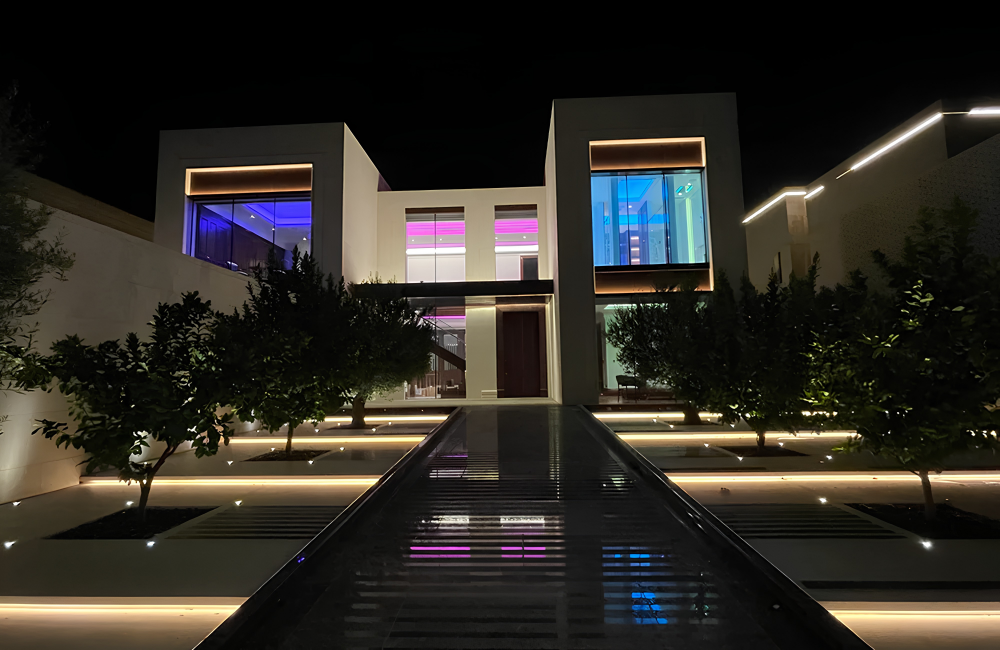
Somewhere along the way, the “smart home” went from describing sophisticated technology in luxury residences to describing a toaster that displays the weather forecast. Today, the same term is used to market everything from app-controlled lightbulbs to professionally engineered automation systems in multimillion-dollar estates. It's no wonder the term has lost some of its shine.
For architects, builders, and designers, this presents a problem. When clients hear “smart home,” they may picture complicated gadgets, unreliable apps, and technology that creates more work than it saves. That perception can make it harder to introduce the sophisticated home technology systems that genuinely improve how a residence looks, feels, and functions.
How did we get here? Let's take a stroll down memory lane.
Kitchen and Bathroom Beginnings
It started when opportunity-sensing manufacturers began using connectivity to meet the demands of what we now call “life-hack” culture: the obsession with optimizing life by doing more with less. Naturally, the kitchen became a victim of this convenience theater.
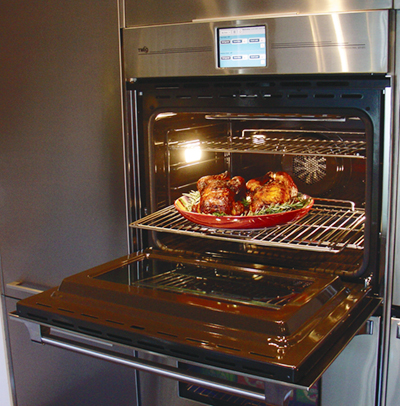
Early products like the ConnectIo Intelligent Oven, which kept food refrigerated all day and then baked it on a schedule before you got home from work, never caught on. Fun fact: Its software was reportedly adapted from NASA technology used on the International Space Station. That's a lot of rocket science to warm a tuna noodle casserole.
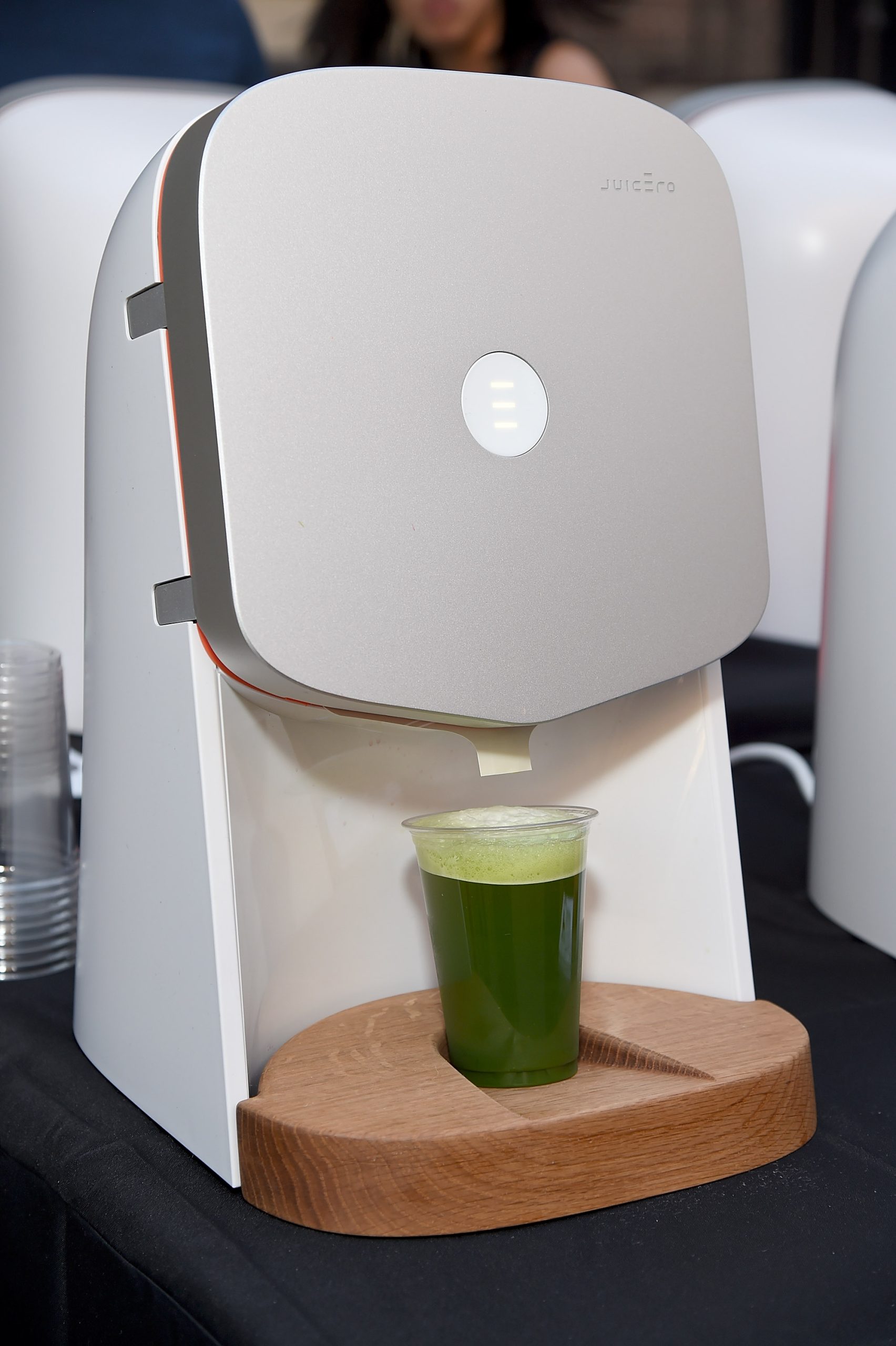
Remember Juicero? This was the $700 Wi-Fi-connected juicer introduced in 2016, backed by roughly $120 million in venture funding. Instead of whole fruit, it only worked with Juicero's sealed plastic pouches of pre-chopped produce, delivered by subscription. You placed a pouch in the machine, it pressed the pouch flat, and juice came out of a spout. Then Bloomberg reporters squeezed the same pouches with their bare hands and got about the same amount of juice, faster. Juicero shut down in 2017.
Even the most pedestrian of items could be made smart. Consider the lowly fork: the HAPIfork, a $99 piece of Bluetooth cutlery that
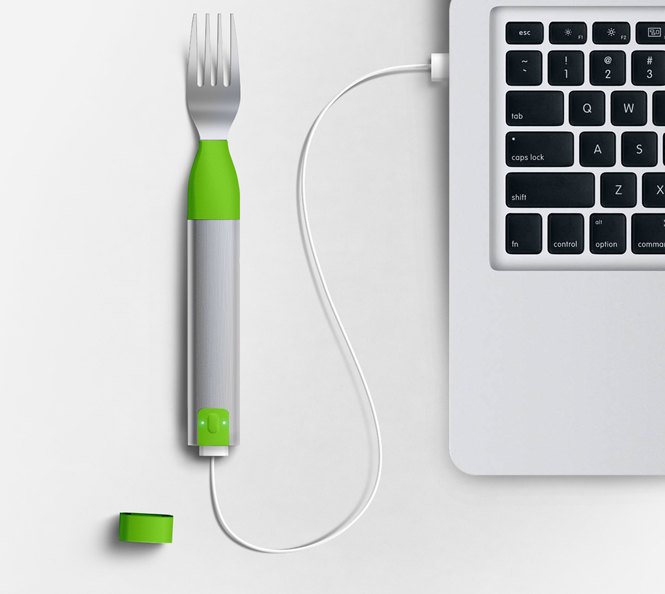
counted your bites, logged your eating speed in an app, and buzzed when you went too fast, turning holiday dinners into smorgasbords of shame.
Even today, you can purchase a toaster with a 7-inch touchscreen, Wi-Fi, 38 bread settings, and the weather forecast. When it isn't toasting, it plays a slideshow of up to 24 family photos, letting you relive that trip to Florida one bagel at a time.
Meanwhile, the bathroom has quietly become one of the most data-rich spaces in the American home, to no end of potty jokes. Kitchen and bath manufacturers now offer devices that analyze, er, what you leave behind, then report on hydration and gut health through an app. (So many questions…and prefer not to have any of them answered.)
Recent kitchen and bath industry surveys suggest that just because a device can be connected, tracked, voice-controlled, and fitted with a screen doesn't mean it should. Many homeowners would rather have fewer steps, controls anyone can use, and appliances that work reliably every day.
In a Kitchen & Bath Business survey of more than 170 industry professionals published in January 2025, only 11% said they incorporated smart technology into 75% to 100% of their projects, and nearly 15% hadn't used it in a single project that year. Respondents described clients who wanted appliances that were “simple to use” without additional upkeep.
Earlier this year, Kitchen & Bath Design News surveyed more than 250 dealers, designers, and remodelers and found that automated and smart features were among the first things homeowners cut from a kitchen budget.
These findings concern kitchen technology specifically, but they illustrate a larger challenge: connectivity alone is not a compelling benefit. Consumers need a reason to believe technology will improve their lives.
The Difference Between Smart Home and Luxury Home Automation
Today, “smart home” has become a retail category. Walk into Home Depot, Lowe's, or Best Buy, and you'll find shelves stocked with app-controlled bulbs, plug-in switches, video doorbells, and voice assistants, many designed for homeowners to install over a weekend.

These products can be useful, and plenty of homeowners enjoy the flexibility of installing and customizing them. But most come with separate apps, accounts, and setup requirements. As the collection grows, homeowners can find themselves acting as the system's designer, installer, troubleshooter, and help desk. When the same phrase describes a $30 smart plug from the hardware store and a professionally integrated estate, it's no wonder clients are confused about what they're actually buying.
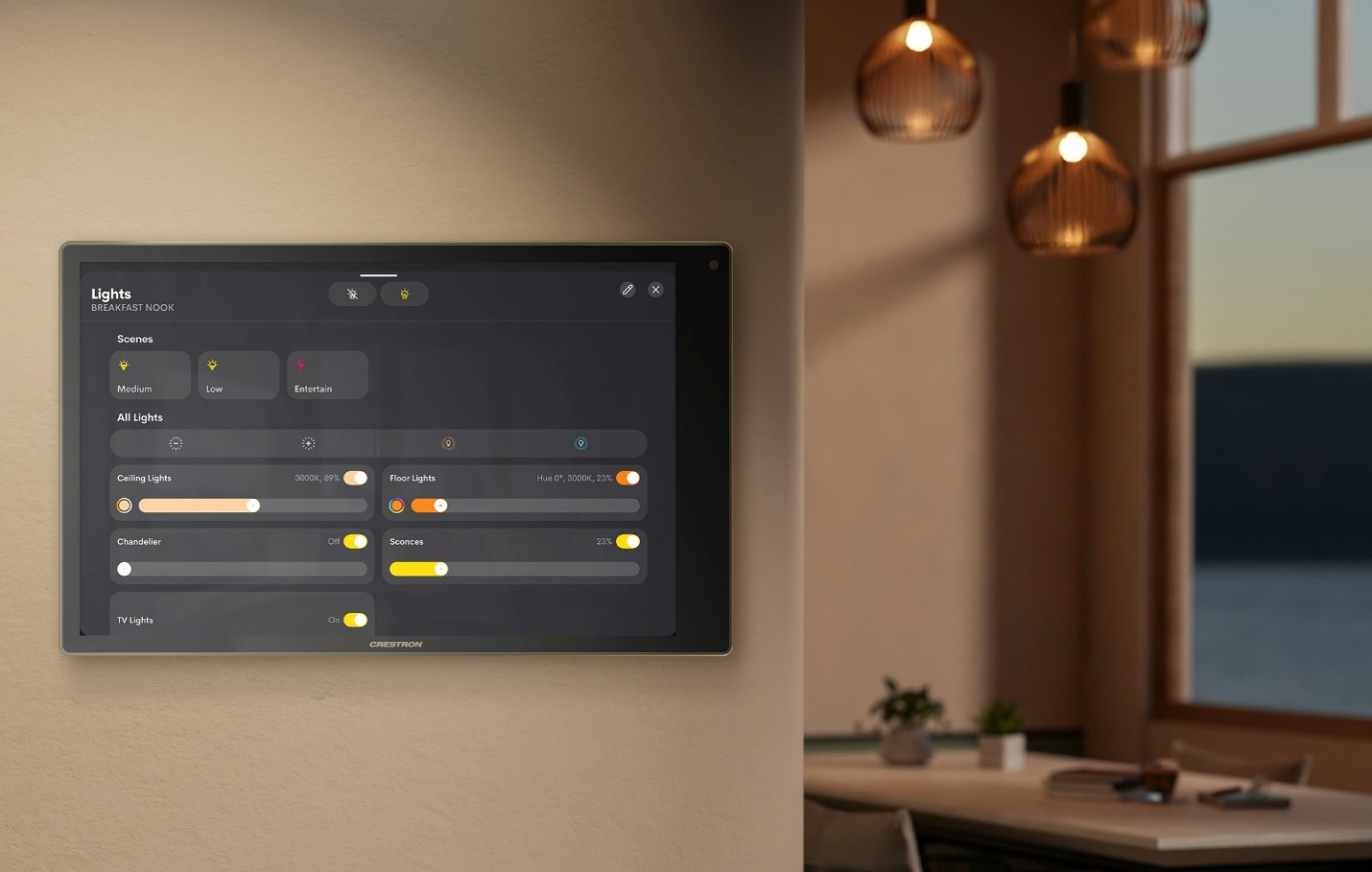
Home automation in a luxury residence can be considerably more sophisticated. Platforms such as Crestron, Savant, Control4, Nice, RTI, and Josh.ai allow a professional integrator to coordinate lighting, shades, climate, audio and video, security, access control, and other compatible systems through a consistent control experience.
Imagine arriving at a beachfront estate after dark. One button illuminates the driveway and entry, adjusts interior lighting, sets the temperature, and prepares the home for the evening. The same familiar controls work throughout the property, whether you're in the kitchen, primary suite, guesthouse, or outdoor entertaining areas. Behind that simplicity is a carefully engineered system that coordinates multiple technologies.
Pressing a button on a keypad, touchscreen, or phone app is just one way to make this magic happen. It can also happen with a voice command or autonomously.
A professional technology integrator works with the clients and design-build team to define how the home should function, develop the necessary engineering and documentation, coordinate wiring and equipment requirements during construction, and commission the system around how residents actually live.
For the homeowner, that might mean an engraved architectural keypad by the door, a wall-mounted touchscreen, or a familiar app on a tablet or phone. The goal is consistent, intuitive control without having to understand the individual systems working behind the scenes. Professional installation also provides a path to troubleshooting, maintenance, upgrades, and ongoing service.
Retiring the Term
At HTA, we believe it’s time to retire “smart home” from the luxury residential vocabulary. That's easier said than done, especially when homeowners continue searching for the term and manufacturers and integrators have good reasons to use it in their marketing.
But architects, builders, and designers can help change the conversation. Instead of asking clients whether they want a smart home, ask how they want their home to work. What would make everyday life more comfortable, convenient, secure, or enjoyable? What technology would they rather never see?
Terms such as integrated home technology, luxury home automation, and home technology do a better job of describing the sophisticated systems that make those experiences possible. More importantly, they shift the conversation toward the homeowner's needs and the design decisions required to meet them.
An HTA Design Partner can help translate a client's lifestyle preferences into a coordinated technology plan. These HTA Certified integrators have made additional commitments to professional collaboration, including project-appropriate design and engineering documentation, proactive communication, coordination with affected trades, and respect for the architectural and interior design process.
Their work extends from initial consultation and engineering through installation, programming, homeowner training, and ongoing service. The result is technology that feels like a natural part of the residence, with intuitive controls, carefully concealed equipment, and a consistent experience throughout the property.
We've explored the importance of this approach in The Technology Integrator Has Three Jobs. Installation Is Only One of Them, which explains why design and documentation start long before anyone pulls wire. For an example of what early collaboration looks like on a real project, read One Estate. Five Structures. One Year. Here's How the Design-Build Team Pulled It Off, an HTA case study of a design-build team that had the integrator at the table from day one.
Find an HTA Design Partner for your next project at htacertified.org.
You Might Also Like: