


















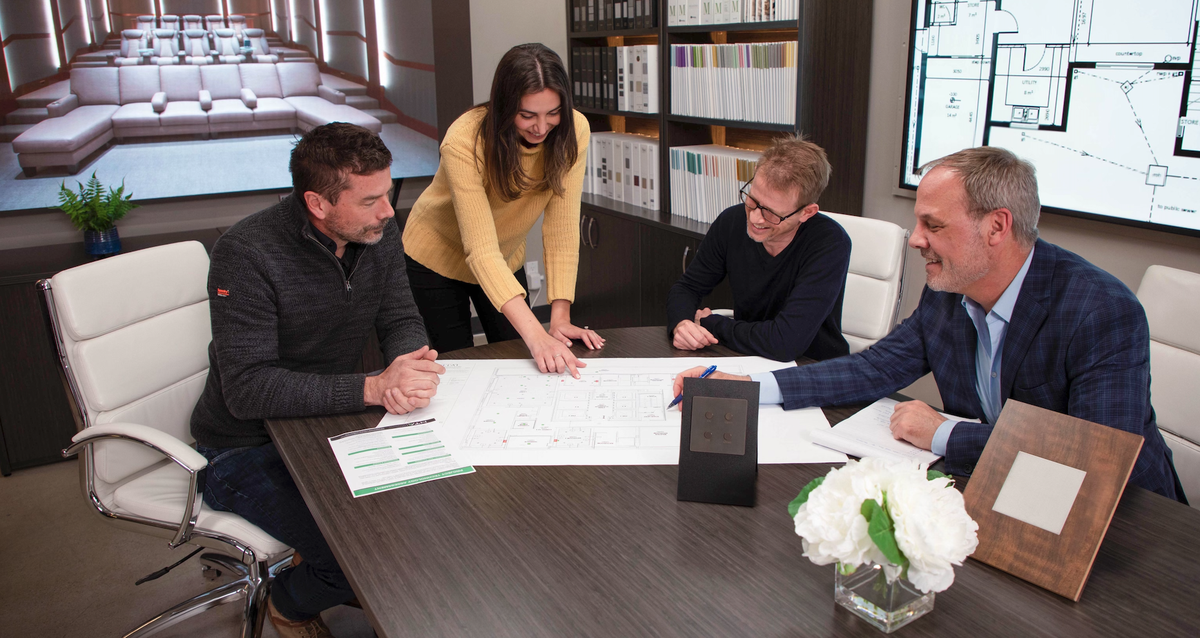
Years ago, HTA CEO Josh Christian was giving a series of lunch-and-learns at the office of Studio William Hefner while Christian was with the integration firm DSI Luxury Technology. One topic he discussed was early collaboration between technology integrators and architects.
He gave examples of detailed design drawings that showed coordinated technology, device placement, prewire plans, Wi-Fi heat maps, electrical requirements, BTU calculations the HVAC engineer would need, framing requirements, shade pocket requirements, and equipment rack drawings.
After the third presentation, William Hefner pulled Christian aside and shared an observation that helped explain why early collaboration could be difficult to achieve. His firm thought of DSI (and integrators in general) as a contractor, and contractors generally weren't part of the early design process.
“This insight was a gift, as it showed that integrators are often seen as a one-phase company…a contractor that installs technology systems, when in reality the best technology integration firms have three phases,” says Christian. “The light bulb moment: integrators needed to radically change how they approach architects and interior designers.”
That broadened role is part of the thinking behind the HTA Design Partner program, a voluntary designation for HTA Certified integration firms that identify themselves as design-centric and commit to a defined code of conduct for working with architects, interior designers, builders, and related professionals. The HTA solicited direct input on this code of conduct when creating the HTA Design Partner designation. Consultation and Design is the first of eleven commitments, with additional standards covering project management, design collaboration, communication, customer service, and hand-off.
Christian has since described the work of a professional integration firm as having three phases: 1 - consultation & design, 2- installation, and 3 - aftercare service. In fact, this three-phase aspect of the best integrators was baked into the HTA Design Partner logo, as seen on this page: Design - Deploy - Maintain.
 Job One: Consultation and Design
Technology design begins with understanding the people who will live in the home. A good discovery process explores how clients live and entertain; their expectations for ease of use, performance, and aesthetics; which experiences they want automated; who will use the systems; and what has worked or frustrated them in previous homes.
Those conversations inform a technology plan that has to coexist with the architecture and interiors. On a sophisticated project, this requires substantial design and engineering work. HTA Design Partners, for one, commit to providing applicable documentation that includes the design documentation referred to in paragraph two.
Each technology system can, and often does, affect other disciplines. A television concealment system may influence framing and millwork. Motorized shades require space, power, wiring, and access. Equipment rooms need adequate dimensions, electrical service, and cooling. Speaker and control locations need coordination with reflected ceiling plans, wall elevations, and interior finishes.
 These decisions are considerably easier to address while the architect, designer, and builder are still developing the project. We've explored this in previous issues about when a technology consultant should join a project and why technology design documentation matters. “This is what my conversation with William brought into focus. DSI had meaningful work to contribute during design, well before its installation responsibilities began,” says Christian.
The problem is that Christian didn’t explicitly define that there was a distinct Phase 1. Simply showing design drawings isn’t enough; an integrator needs to explain that Phase 1 is technology consultation, which naturally leads to the detailed design documents. Design-centric integrators, such as integrators with the HTA Design Partner designation, create these drawings with input and coordination with the design team.
Job Two: Deployment
Deployment is the part of the job most people already associate with a technology integrator. As the project moves into construction, the firm procures and installs equipment, manages its scope, coordinates with the builder and affected trades, programs the systems, tests and commissions them, completes punch-list work, and ultimately hands the finished systems over to the homeowner.
The work completed during design gives everyone a common plan to follow. Equipment locations and infrastructure are established, electrical and cooling needs are communicated, and framing and pathways are coordinated.
“This phase looks most like traditional contracting, which helps explain why the contractor label has persisted,” says Christian. “Viewed across the entire relationship, however, deployment sits between two other substantial responsibilities.”
Job Three: Maintenance and Aftercare
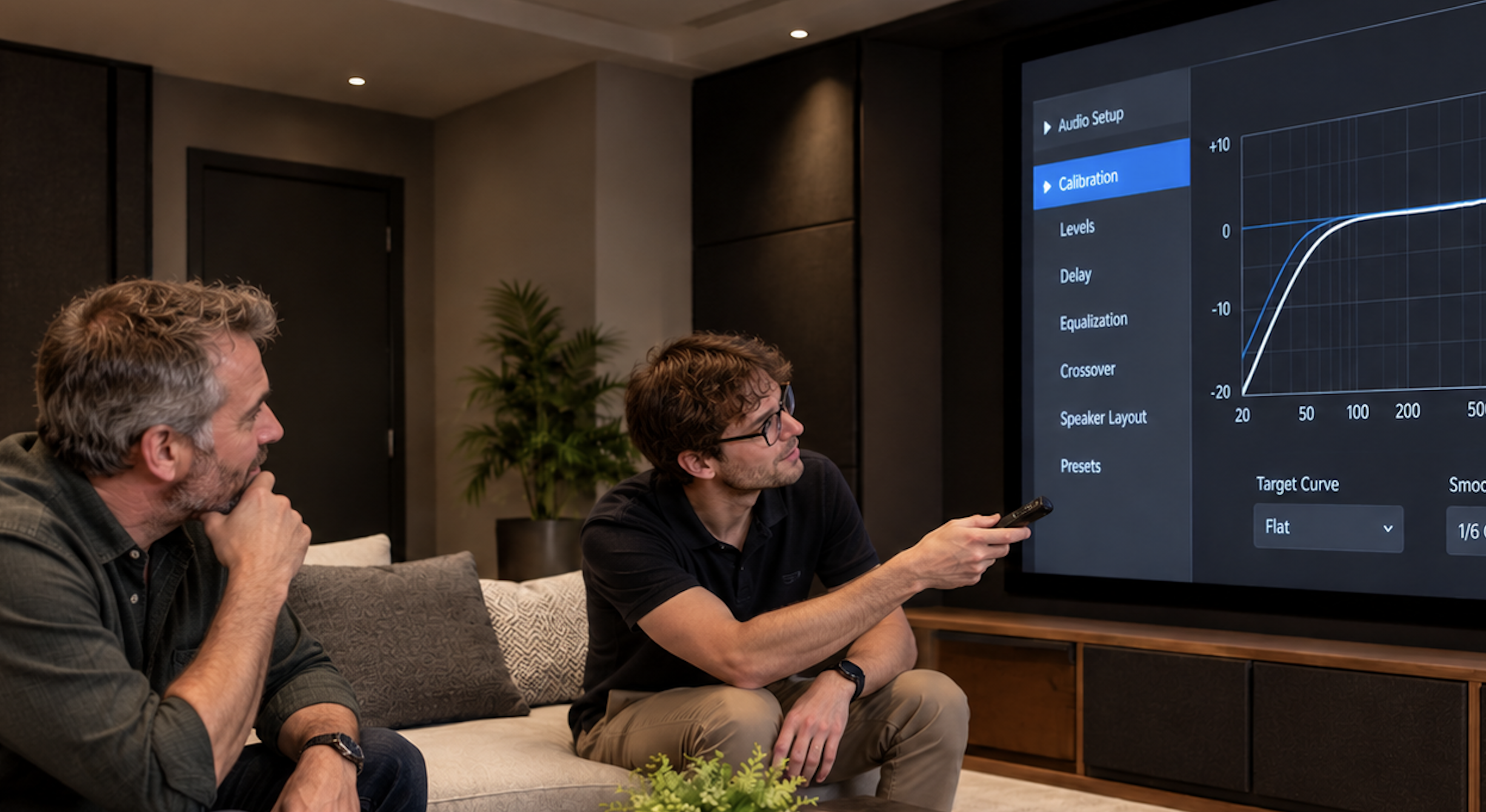
The third phase begins as the construction project winds down, and continues much longer than the first two.
Networks, lighting controls, motorized shades, security, audio/video, and automation systems remain in daily use after the homeowner moves in. Over time, homeowners want systems adjusted or expanded. As technology advances, some products reach the end of their useful lives, and clients need advice about what to upgrade, what to keep, and how newer technology can work with the existing infrastructure.
A professional integration firm plans for that ongoing relationship. Service may involve troubleshooting a problem, further personalizing the systems, replacing a failed component, or helping the homeowner make sensible technology updates years after the original installation.
Architects and designers should consider the importance of aftercare when recommending an integration firm. “The company introduced during the design and construction process may still be supporting that client five or ten years after the rest of the project team has moved on,” Christian adds.
Why Architects and Designers May Only See One of the Three Jobs
The integration industry bears some responsibility for how the home technology profession has traditionally been perceived. “Integrators have often introduced themselves through the categories they sell and install: audio/video, lighting control, motorized shades, networking, security, and home automation. That language naturally draws attention to deployment,” says Christian.
Looking at all three phases presents a fuller picture of the relationship. The integrator can help the client and design team establish technology requirements and document them before construction, implement those plans during construction, and support the resulting systems after occupancy.
For architects and designers evaluating a technology firm, the three phases suggest three practical questions: What will this firm contribute during design? How will it perform during construction? What happens when our client needs help after move-in? Together, these answers reveal whether the integrator is equipped to be a long-term project partner, from the first plans through life in the finished home.
You Might Also Like: