

















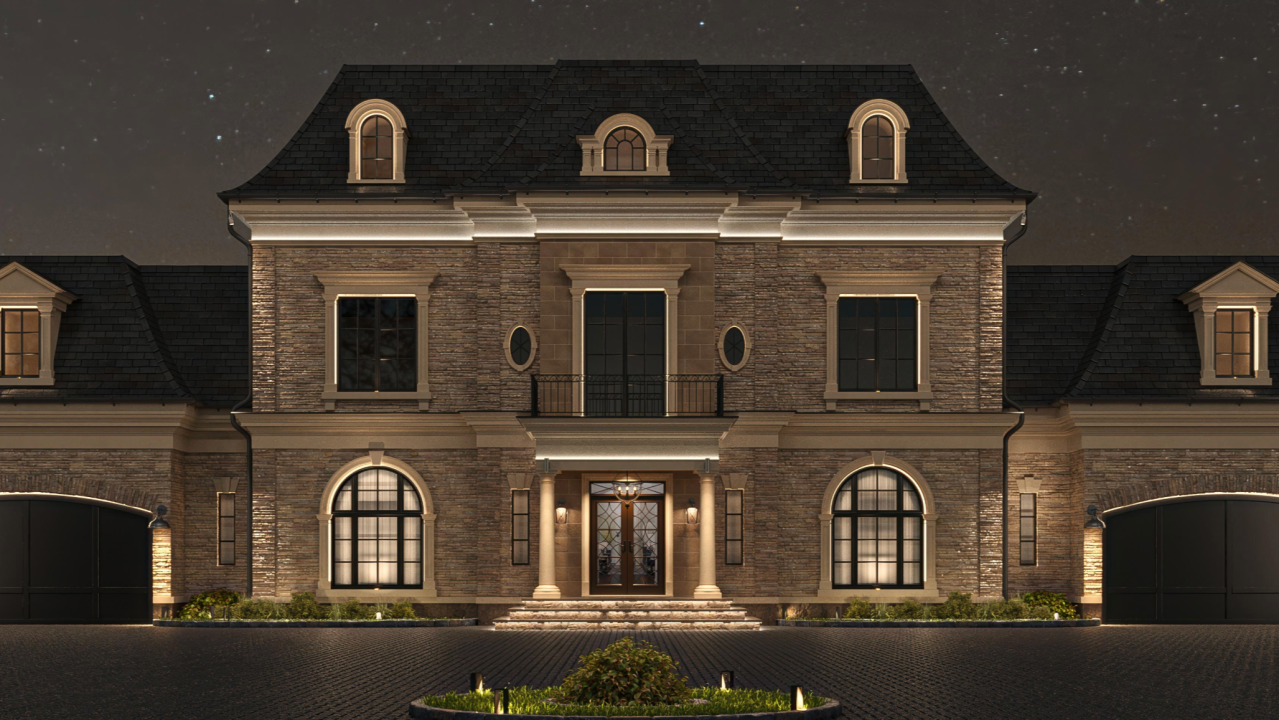
For a long time, lighting lived in a familiar lane.
Architects and interior designers defined the aesthetic. A lighting designer may have been brought in to create a carefully curated, layered lighting design. The builder oversaw the electrician installing the lighting fixtures. And technology integrators arrived later to make everything “work.”
Today, many of the most capable residential technology integrators are no longer just supporting lighting systems; they are actively shaping them. In many cases, they specify architectural-grade fixtures, coordinate lighting control, and integrate shading into a unified system long before construction begins.
This shift has already changed how luxury homes are being built.
The Rise of IP-Addressable Lighting Systems, not Fixtures
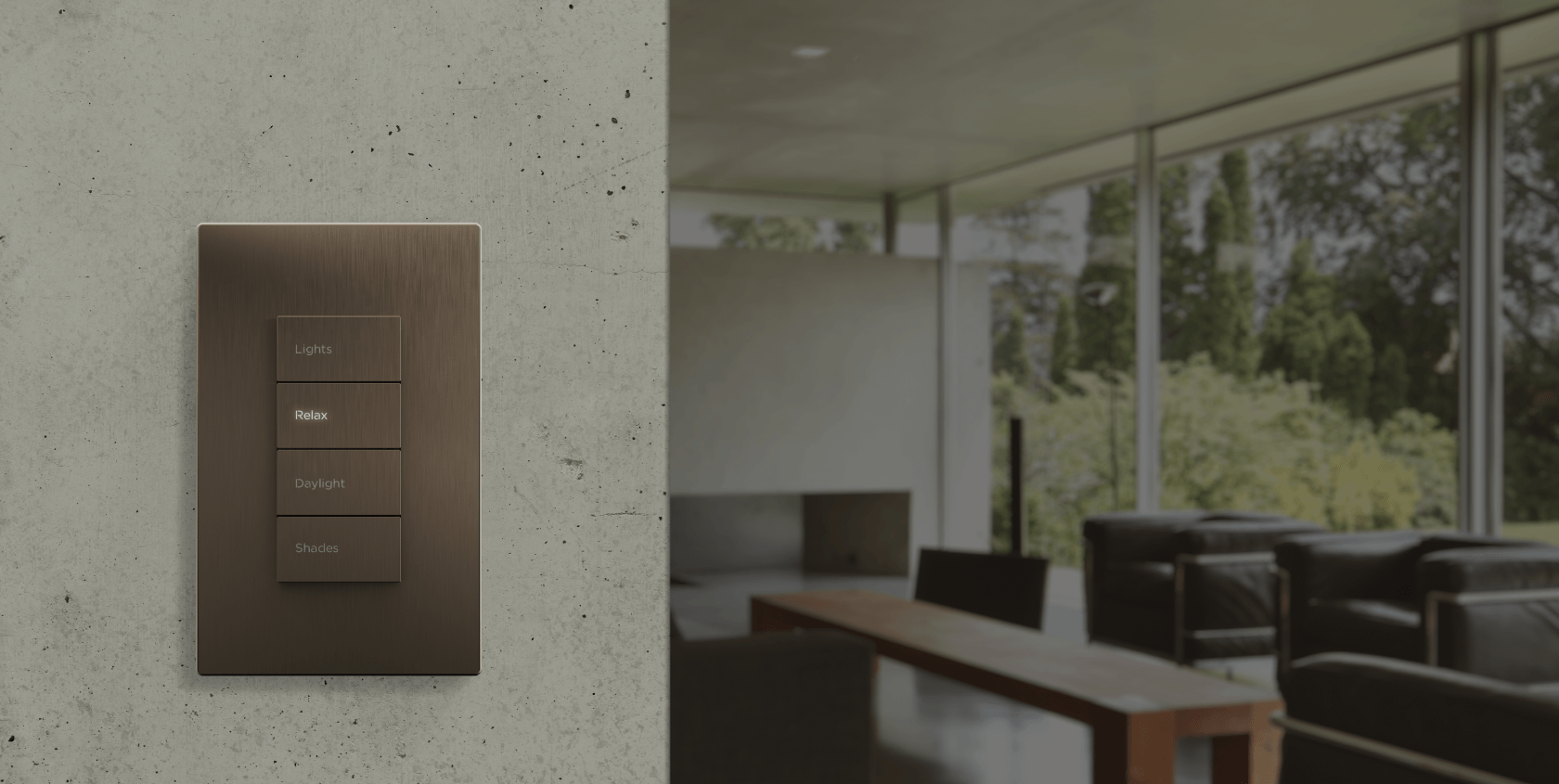
Modern lighting systems now go beyond the product level to the system level. Lighting behaves like part of the home’s operating system, interacting with window treatments and responding to daylight or desired mood, often orchestrated through home automation ‘scenes’ that affect the entire environment at once. The latest lighting system architecture allows individual control over which lights are included in these scenes without an electrician having to rewire a dimmer or switch.
As LED lighting became more capable, with features such as tunable white light, full-color tunable lighting, deep dimming, automatic circadian lighting routines, and scene control, it also became more dependent on design decisions made early in the home-building process.
It’s not enough for a homeowner, designer, or builder to pick out random fixtures and have an electrician hook them up. High-quality lighting relies on compatibility between fixtures, drivers, dimming protocols, control platforms, and the architectural intent of the space.
Why Integrators Entered the Lighting Conversation
Enter the home technology integrator. Not to replace lighting designers or usurp designers, builders, and architects, but to provide the technology expertise that ensures that what gets specified at design can actually perform as intended once installed and programmed.
In many high-end projects, integrators are now responsible for ensuring that lighting scenes behave consistently across rooms, that shading and daylight are properly coordinated, and that the system remains stable over time with ongoing service years after move-in.
A high-quality lighting fixture can still perform poorly if it is paired with the wrong driver or improperly programmed controls, for example. Conversely, a well-designed lighting system can elevate even simple fixtures into something that feels intentional, layered, and architectural.
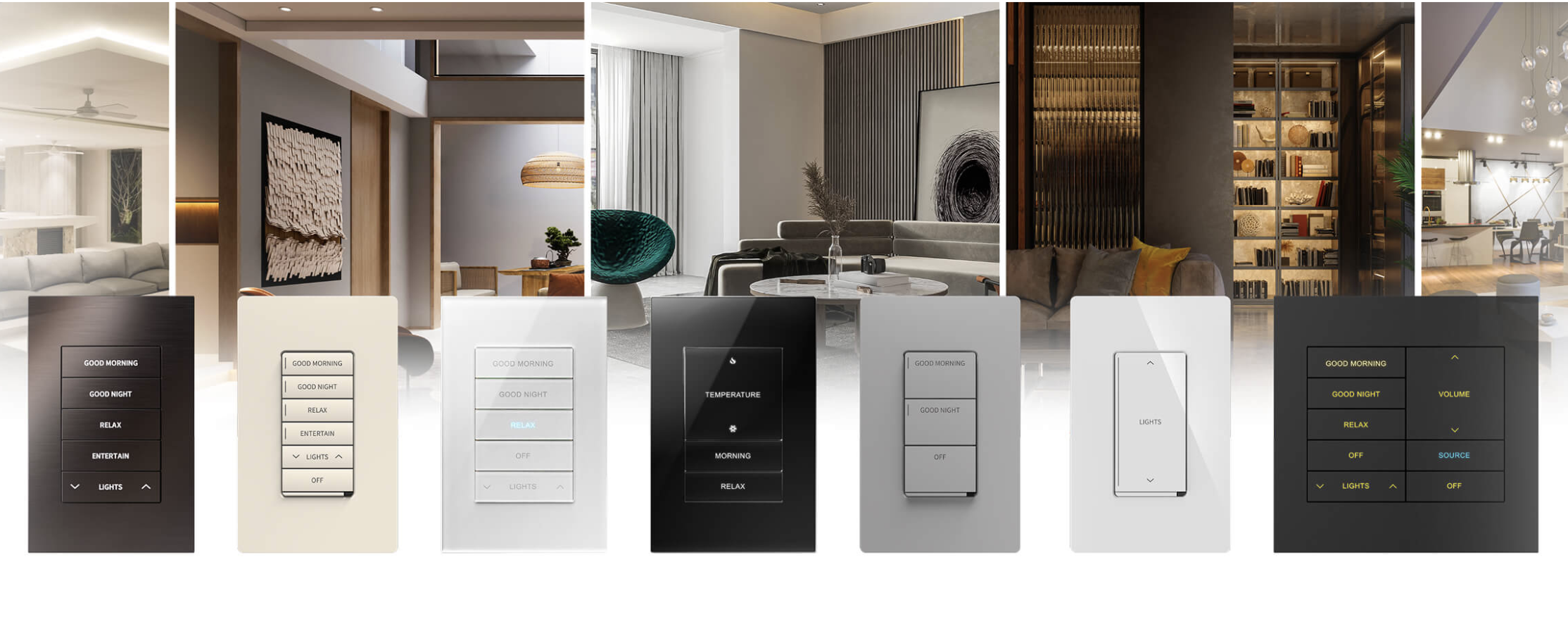
System-level thinking is where integrators increasingly add value, particularly when lighting is tied to shading, automation, security, and whole-home control platforms. As with all home technology decisions, it’s crucial to involve the integrator from the beginning as part of your design team, rather than bringing them in late in the game to make it all work together.
What Designers, Builders & Architects Gain From This Shift
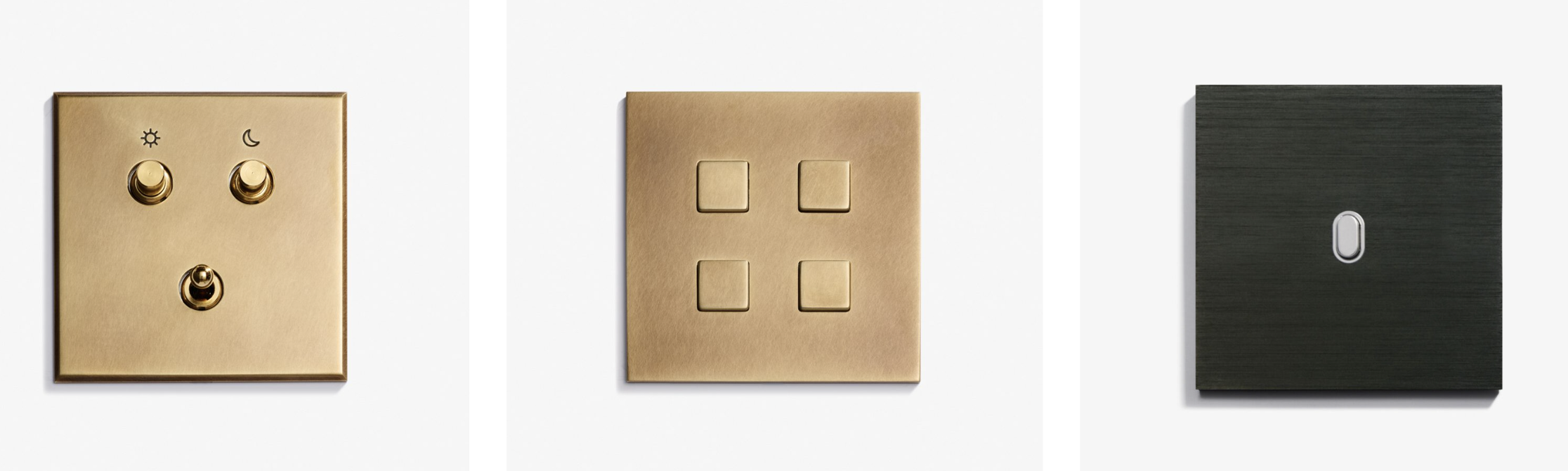
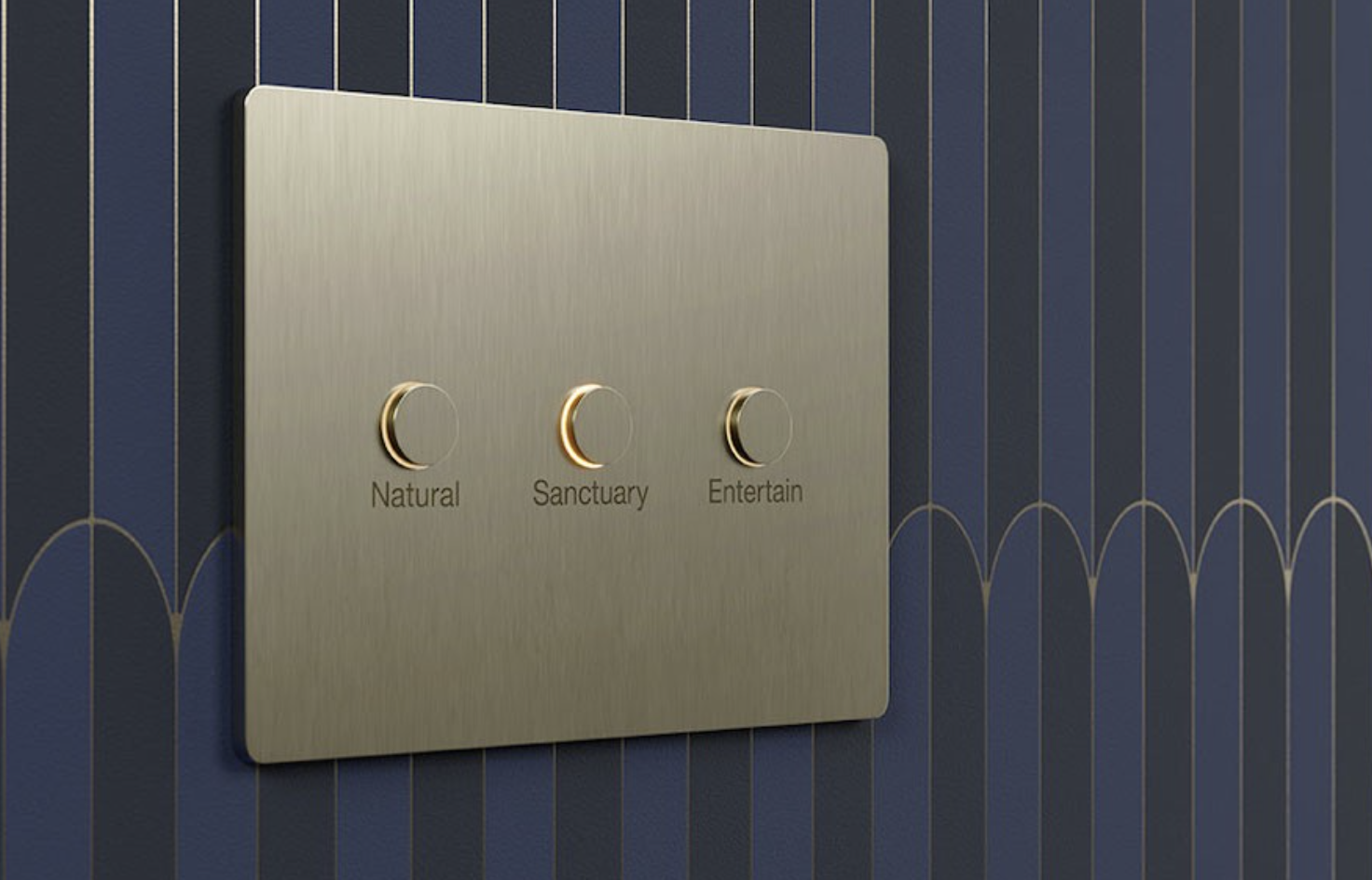
When lighting, shading, and control are treated as a unified system early in the process, the result is reduced client friction as the build nears completion and systems come online. Scenes behave predictably. Daylight and electric light feel balanced, with natural and automated transitions between them. Walls don’t get crowded with unnecessary controls. Luxury fixtures and controls are carefully positioned and artfully executed alongside the design minds on the project. And, perhaps most importantly, the design intent survives the transition from drawing set to built environment.
Bring the Integrator In Early
Home technology integrators can be perceived by design-build trades as disruptive. There is a reason for this. Traditionally, home technology integrators are hired so late in the process that every unplanned decision becomes a delay or a rework. Rest assured, this is not the way professional smart home integrators like to work. The key here is early collaboration. Modern lighting, shading, and control systems require coordination at the same stage as architecture, interiors, and MEP systems.
When that happens, lighting stops being a series of isolated choices and becomes part of a unified design language.
Find a complete list of HTA's lighting resources here.
Find an HTA Certified Home Technology Integrator
The Home Technology Association’s mission is to help homeowners and home design & building professionals find the most qualified home technology installation firms for their home construction projects. To find an HTA Certified integrator near you, visit our directory.
You Might Also Like: