












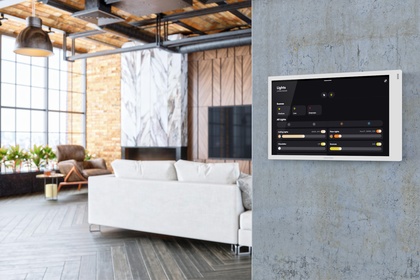
Too many smart home apps? Learn how smart home integration and a professional home control system simplify lighting, shades, music and security in luxury homes.
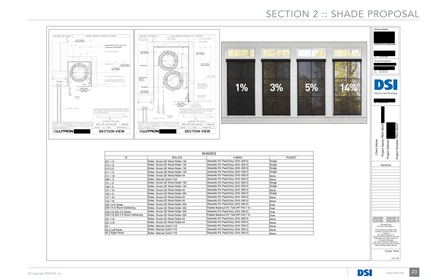
How technology design documentation brings aesthetics, performance, and the project team into alignment.
Today we're sharing three jobsite horror stories with valuable lessons for architects, interior designers, builders, and anyone responsible for delivering an exceptional home.
A conversation with Chris Sterle of Acoustic Design Systems on the technology infrastructure decisions that keep a home ready for whatever comes next.
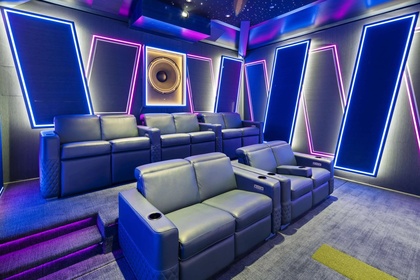
How RP22 connects home theater audio performance to room dimensions, seating, finishes, and construction, and what to ask your integrator.
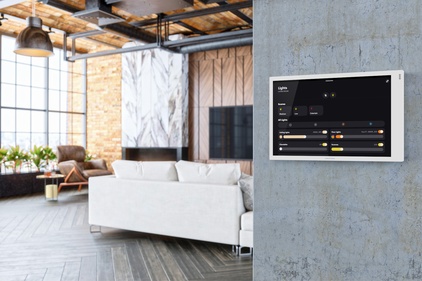
Too many smart home apps? Learn how smart home integration and a professional home control system simplify lighting, shades, music and security in luxury homes.
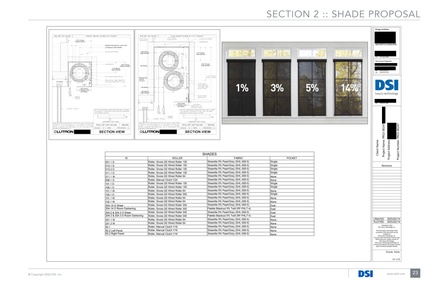
How technology design documentation brings aesthetics, performance, and the project team into alignment.
Today we're sharing three jobsite horror stories with valuable lessons for architects, interior designers, builders, and anyone responsible for delivering an exceptional home.
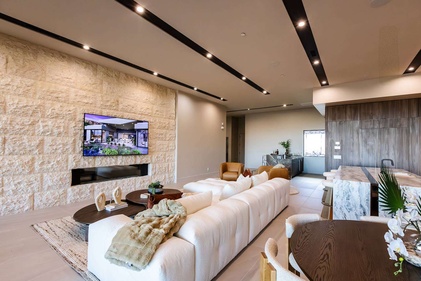
A conversation with Chris Sterle of Acoustic Design Systems on the technology infrastructure decisions that keep a home ready for whatever comes next.
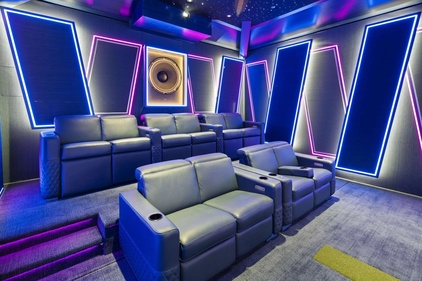
How RP22 connects home theater audio performance to room dimensions, seating, finishes, and construction, and what to ask your integrator.
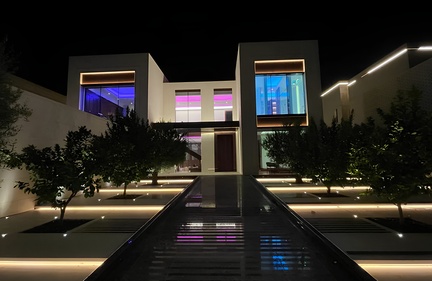
From toilets to toasters, join us on a trip down memory lane to revisit some of the silliest “smart home” products that tarnished the term.

How an HTA Certified integrator, a trusted builder, and a bold interior vision brought a main residence, casita, spa, pool pavilion, cinema, and grounds together on one Crestron and Lutron system in a single year.
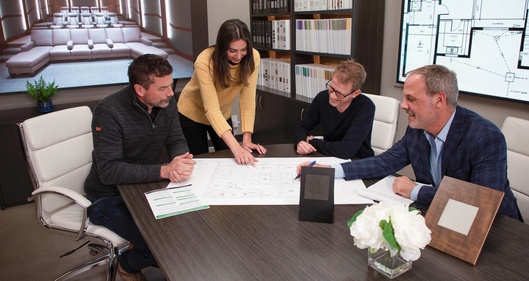
For architects and designers, understanding the integrator's role in design, deployment, and long-term service changes where that firm fits on the project team.
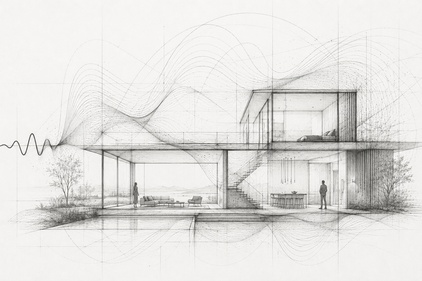
Modern luxury homes with expansive glass, stone, high ceilings, and open layouts can look stunning while creating uncomfortable echoes and poor speech clarity. Addressing acoustics early allows architects, designers, builders, and home technology integrators to improve comfort throughout the home without compromising the design. Solutions can range from thoughtful equipment placement and sound isolation to acoustic treatments that blend seamlessly into walls, ceilings, and architectural details. By making acoustics part of the initial design conversation, teams can create homes that feel as comfortable and peaceful as they look.
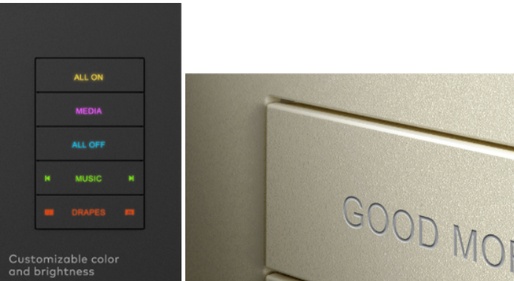
Today’s smart home fixtures can enhance interior design by blending technology seamlessly into a home’s architecture and décor. From customizable lighting controls and flush-mounted speakers to wellness-focused lighting, acoustic treatments, and hidden televisions, technology can support both aesthetics and everyday comfort. Involving a home technology integrator early in the design process helps designers coordinate these systems with finishes, materials, and the overall vision for the space. The result is a home where technology feels intentional, intuitive, and integrated rather than added as an afterthought.
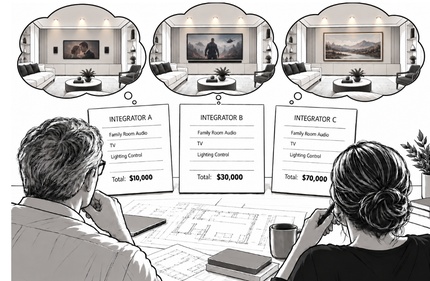
The article explains why technology proposals can vary widely when integrators are asked to price a project before understanding how the homeowner actually wants to live in the space. A thorough discovery process allows the integrator to understand the client’s priorities, educate them about available options, and translate those needs into a clearly defined technology scope. Establishing a realistic budget and completing paid design and engineering work upfront gives competing firms a common basis for pricing and makes meaningful proposal comparisons possible. Ultimately, project teams should define the desired experience, performance, aesthetics, and service expectations before comparing price.
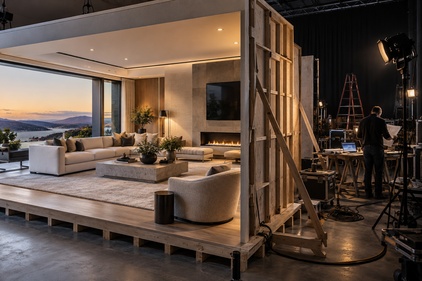
AI can help almost any firm look the part. Due diligence is how you determine who can actually deliver.
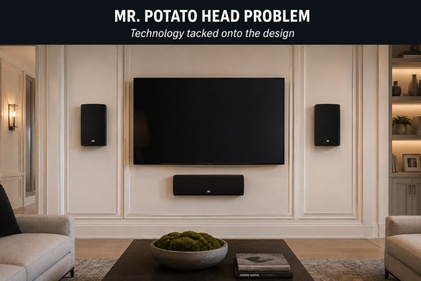
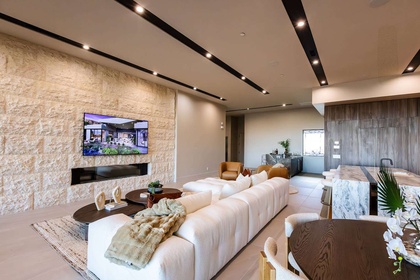
Two rooms. Same television. Two completely different design outcomes.
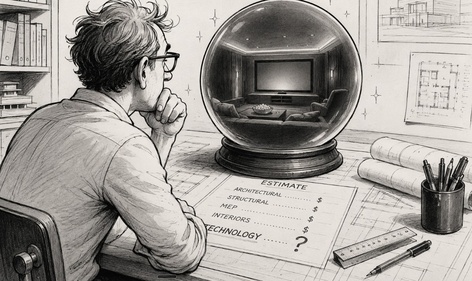
Learn how architects, designers, and builders can accurately budget for home technology and set realistic expectations early in the design process.
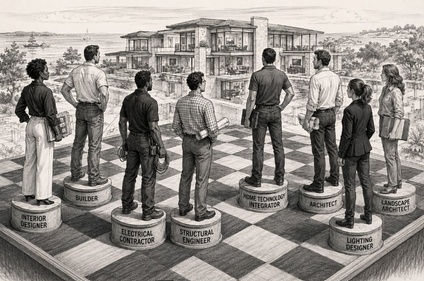
Architects, interior designers, and builders can protect both their projects and reputations by taking an active role in recommending qualified home technology integrators rather than leaving the decision solely to homeowners. Bringing an experienced integrator into the project early helps avoid costly design conflicts, construction delays, and technology compromises, while ensuring the home's systems are thoughtfully coordinated from the start.
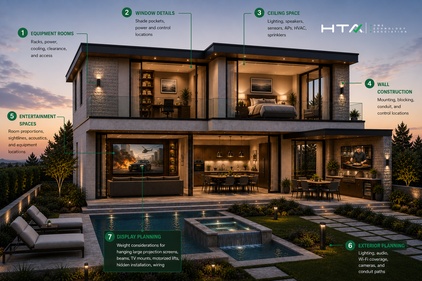
Today's luxury homes depend on a growing collection of interconnected systems that require physical space, coordinated infrastructure, and careful planning long before the first wire is installed. Equipment rooms, motorized shade pockets, networking, lighting control, entertainment spaces, and outdoor technology all influence architectural decisions during design.
Here, we explain the systems to consider when planning architectural space.
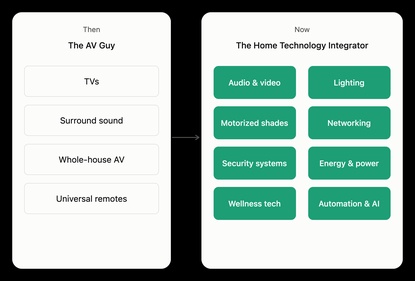
The term "Technology Integrator" better reflects the modern role of residential technology professionals, who now coordinate lighting, shading, networking, security, power, automation, and entertainment systems as part of the home's overall design. By moving beyond outdated labels like "AV guy," the industry can better communicate the value of involving technology experts early in the design process, leading to better coordination, fewer compromises, and more successful luxury home projects.

Architect David Lee of FAME Architecture & Design recommends involving a trusted technology consultant immediately after Schematic Design, and in some cases even earlier, so they are already part of the team when design decisions arise. Early involvement improves communication, speeds problem-solving, and allows technology requirements to be coordinated while the project is still flexible, avoiding costly changes later in construction. Working with trusted consultants from the start helps preserve design intent, streamline collaboration, and deliver a smoother project for both the design team and the homeowner.
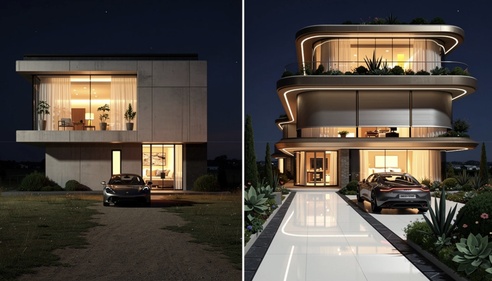
Many project teams settle for mediocre technology integrators after past frustrations, often at the expense of project efficiency and quality. The best integrators collaborate early, communicate proactively, and deliver a higher standard of service from design through long-term support. The article encourages professionals to raise their expectations and thoroughly vet technology partners before bringing them onto a project.
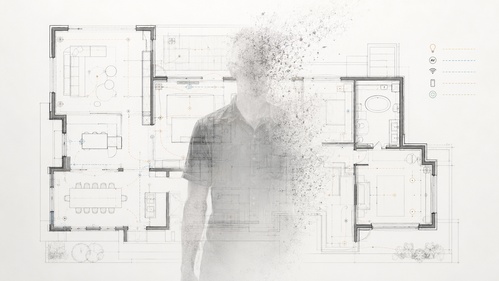
Communication breakdowns with a home technology integrator can cause significant project delays and disruption, making it essential to choose a firm with strong processes, documentation, and support systems. Homeowners and project teams should ask detailed questions about project management, continuity, and aftercare before hiring an integrator. If an integrator becomes unresponsive, the best path forward is to gather all project documentation and engage a qualified replacement firm to assess and complete the work.
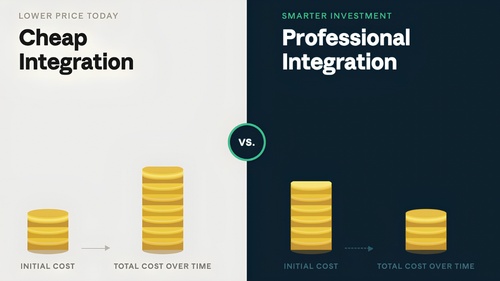
When comparing home technology proposals, the lowest price does not always represent the best value, as differences in design, engineering, infrastructure, and support can significantly impact the final outcome. Experienced integrators invest substantial effort in planning and coordination upfront, helping avoid costly change orders, performance issues, and project delays later. The most successful projects are built on comprehensive design, strong project management, and long-term service, not simply the lowest initial bid.
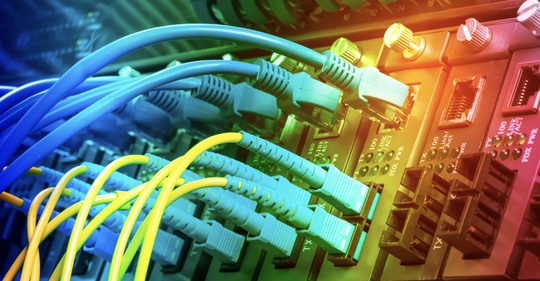
Technology infrastructure should be planned as early and thoughtfully as plumbing, electrical, and HVAC systems because it serves as the foundation for modern connected living. Structured cabling, networking, and conduit pathways provide the reliability, flexibility, and performance needed for everything from Wi-Fi and security to entertainment and home automation. By involving a qualified technology integrator early in the design process, homeowners can avoid costly upgrades later and ensure their home is ready for both current and future technology needs.
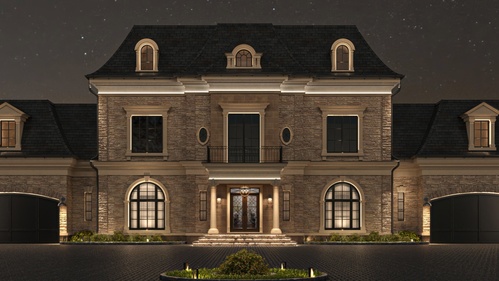
Luxury home technology integrators are playing an increasingly important role in lighting design, helping coordinate lighting, shading, and control systems from the earliest stages of a project. As modern lighting becomes more sophisticated and interconnected, integrators ensure that fixtures, controls, automation, and architectural intent work together seamlessly. When brought in early, they help create more cohesive, reliable, and beautifully executed living environments while reducing costly delays and rework.
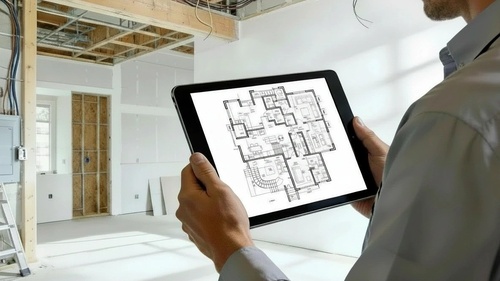
Technology documentation is a critical part of luxury home projects because it allows technology systems to be coordinated with architecture, interiors, lighting, HVAC, and other trades before construction begins. The article explains that documentation is a key indicator of an integrator’s competence and ability to function as a true design partner rather than simply an equipment installer. HTA standards require this level of planning to ensure technology is thoughtfully integrated into the home from the earliest design stages.

Luxury home projects often face delays when technology planning starts too late. Learn why schematic design is the right time to coordinate smart home infrastructure, networking, lighting, shading, and more.

In this article, we explore the importance of a reliable and robust digital network—which includes Wi-Fi—and a well-designed prewire backbone.

HTA’s Josh Christian offers takeaways from Design & Construction Week 2023 in Las Vegas.

This page explains how interior designers can successfully integrate smart home technology into residential projects without compromising aesthetics. It emphasizes the importance of early planning, collaboration with certified home technology integrators, and designing for both performance and visual harmony. By coordinating lighting, shading, audio, and control systems from the start, designers can create seamless, intuitive living environments that enhance the overall client experience.

In a recent conversation with a very experienced builder, it was clear that he and many builders are looking for direction on the best way to have a home’s technology systems installed. He admitted it is difficult for builders to wrap their heads around the myriad technologies and brands available today. He said something

This article positions the Home Technology Integrator as the essential technology architect behind today’s luxury homes—designing, orchestrating, and supporting fully integrated systems that elevate how a home feels and functions. Rather than simply installing devices, a professional integrator creates a seamless ecosystem where lighting, audio, video, climate, security, and networking work together effortlessly.
It highlights the risks of hiring product-based installers, emphasizes the long-term value of strategic planning and documentation, and reinforces why independent HTA Certification provides homeowners with a trusted, objective standard. The message is clear: choosing the right integrator early protects your investment, prevents costly mistakes, and delivers a smarter, more refined living experience.